
When addressing insulation projects, it is essential to grasp the differences between domestic and commercial insulation takeoffs. Each category serves distinct purposes, influencing the selection of materials, application methods, and adherence to regulations. Understanding these differences can lead to significant savings in both time and costs, while also prompting considerations about your unique project requirements.
How can you identify the most suitable approach for your insulation needs? Let us delve into what differentiates these two types and how to enhance your insulation strategies effectively.
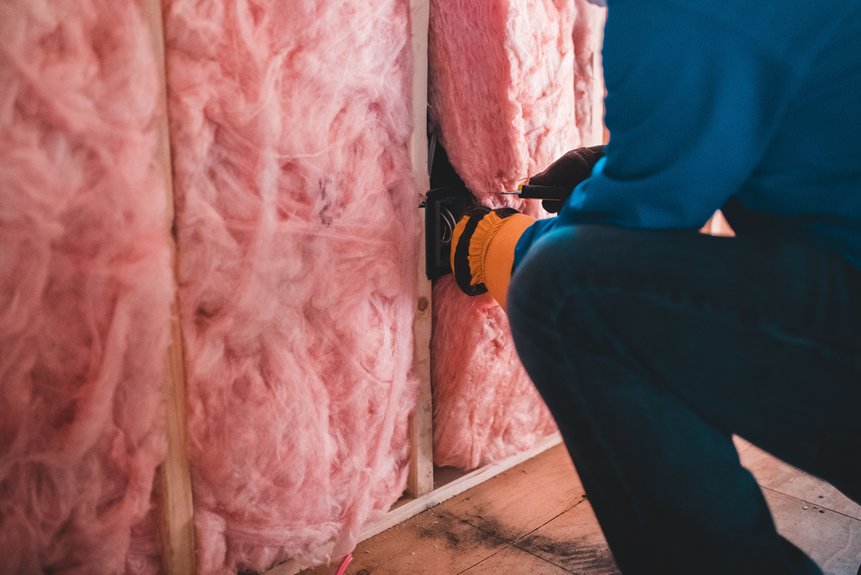
Domestic insulation takeoffs typically focus on residential settings. These projects often require customisation to fit the specific characteristics of a home, including varying architectural designs and individual energy efficiency goals. The materials used can range from traditional types, such as fibreglass and mineral wool, to more contemporary solutions like spray foam insulation. Each choice has implications for thermal performance and environmental impact, which can influence homeowner satisfaction.
On the other hand, commercial insulation takeoffs cater to larger-scale buildings, such as offices, warehouses, and industrial facilities. These projects often necessitate compliance with stricter regulations and standards due to their size and purpose. As such, the selection of materials and installation techniques must consider factors like acoustic performance, fire safety, and energy efficiency across extensive spaces.
Understanding the specific requirements for either domestic or commercial insulation projects enables a more targeted approach to sourcing materials and planning installation. Whether it’s about maximising energy efficiency in a family home or ensuring that a commercial building meets industry standards, making informed decisions is vital.
In summary, recognising the distinctions between domestic and commercial insulation takeoffs is crucial for optimising your insulation strategies. By tailoring your approach to the unique demands of each project type, you can achieve better results and enhance overall effectiveness in your insulation endeavours.
Key Takeaways
Understanding the Difference Between Domestic and Commercial Insulation Takeoffs
Domestic insulation emphasises residential comfort and noise reduction, while commercial insulation centres on compliance with building regulations and codes.
Common materials for domestic insulation include fibreglass and foam boards, whereas commercial projects typically utilise rigid boards and spray foam.
Domestic insulation generally involves homes and smaller buildings, in contrast to commercial insulation, which encompasses larger facilities.
R-value requirements vary significantly, with commercial insulation often needing higher R-values to accommodate larger spaces and diverse HVAC demands.
Accurate estimation is crucial, as errors in insulation takeoffs can lead to substantial cost overruns and inefficient use of materials in both sectors.
Understanding these distinctions helps ensure the right materials and methods are utilised, ultimately benefiting efficiency and performance in insulation projects.
Importance of Insulation Takeoffs
When tackling a construction project, insulation takeoffs play a crucial role in your planning. By accurately assessing insulation needs, you ensure your project improves insulation efficiency, which is vital for long-term comfort. Proper takeoffs help you determine the right materials and quantities, reducing waste and costs.
When you account for insulation correctly, you maximize energy savings, leading to lower utility bills and a greener footprint. You’re not just making a smart financial choice; you’re also contributing to a community that values sustainability.
With the right insulation choices, you create lasting value and a comfortable space for everyone involved. It’s about feeling connected to your project and knowing you’ve made the right decisions. Ultimately, insulation takeoffs aren’t just technical details; they’re the foundation of your project’s success and wellbeing, driving you toward a more energy-efficient future.
Key Differences Between Domestic and Commercial Insulation
Though both domestic and commercial insulation serve the same primary purpose of energy efficiency, significant differences exist in their applications and requirements. Domestic insulation typically focuses on residential buildings, requiring types of insulation that prioritize comfort and noise reduction. On the other hand, commercial insulation must meet varying building codes and environmental regulations, leading to a broader range of insulation materials.
Here’s a quick comparison to help you understand:
| Feature | Domestic Insulation | Commercial Insulation |
|---|---|---|
| Purpose | Comfort & noise reduction | Energy efficiency & regulation |
| Common Materials | Fiberglass, foam boards | Rigid boards, spray foam |
| Application Scope | Homes & small buildings | Larger buildings & facilities |
Understanding these key differences will help you choose the right insulation type for your needs and ensure your space feels just right, whether at home or in a commercial setting.
How to Calculate Your Insulation Needs
Calculating your insulation needs starts with understanding your space and its specific requirements. You’ll want to consider the type of insulation materials available, as different options offer various benefits, like improved energy efficiency.
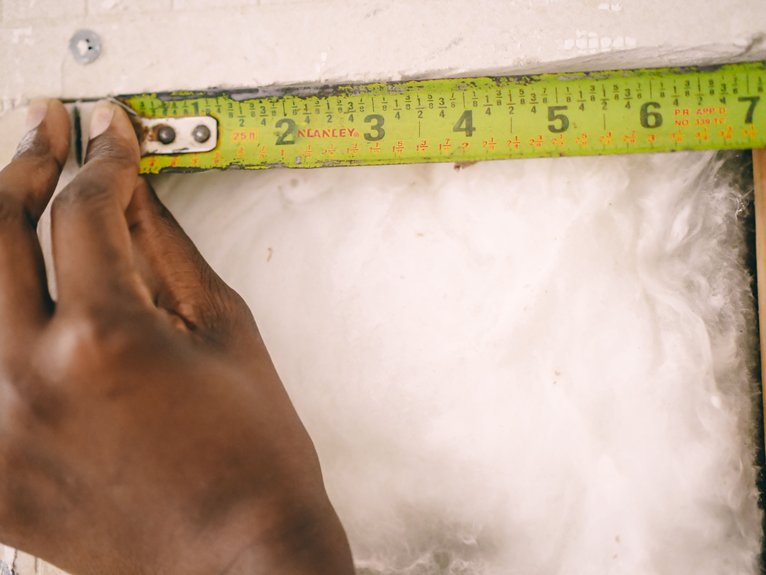
Begin by measuring the area you need to insulate, including walls, floors, and ceilings.
Next, determine the R-value needed for your region, which represents the insulation’s effectiveness. The higher the R-value, the better it resists heat flow, meaning lower energy bills for you.
Once you know the dimensions and R-value, you can calculate how much insulation material you need. Multiply the area by the R-value to get a total, and compare that with the specifications of the insulation materials available to make an informed choice.
Being mindful of your insulation needs not only improves comfort but also fosters a sense of belonging in your efficiently controlled space.
What Mistakes to Avoid in Insulation Takeoffs?
Avoiding common mistakes during insulation takeoffs can save you time and money. Many folks rush the process and overlook critical details, leading to common takeoff errors. For instance, not measuring spaces accurately can cause costly estimating variance. Always double-check your dimensions; a tiny mistake can snowball into a significant issue down the line.
Another pitfall is relying solely on past projects without considering the current context, like changes in materials or insulation standards. It’s essential to stay updated and adapt your strategies accordingly to avoid wasting resources.
Don’t forget to involve your team in the process. Collaboration helps catch errors and ensures everyone feels included and informed.
Tips for Accurate Insulation Takeoffs in Domestic and Commercial Projects
When you’re tackling insulation takeoffs for both domestic and commercial projects, following a few essential tips can lead to more accurate results.
You’ll want to consider important factors like thermal bridging and the various insulation materials available. Here are some helpful tips to keep in mind:
- Measure Twice: Always take precise measurements to avoid missing critical areas that require insulation.
- Understand Thermal Bridging: Identify areas where heat loss may occur due to structural elements and address them properly in your takeoffs.
- Select the Right Materials: Choose insulation materials that not only meet the project’s requirements but also improve energy efficiency.
Conclusion
In summary, understanding the distinctions between domestic and commercial insulation takeoffs is essential for achieving optimal energy efficiency and comfort. By recognising specific requirements and selecting appropriate materials, you can avoid costly errors and ensure your insulation projects comply with regulations.
Take the time to calculate your requirements accurately, considering the unique characteristics of each type of insulation. With thoughtful planning, you can create a more comfortable and energy-efficient environment, whether it’s a residential property or a commercial establishment.
Effective insulation fosters better thermal performance, helping to maintain consistent temperatures and reduce energy consumption. Remember that domestic insulation often focuses on creating a cosy atmosphere, while commercial insulation may emphasise durability and compliance with industry standards.
By taking these factors into account, you’ll be well-equipped to navigate the complexities of insulation projects, leading to successful outcomes in energy performance and occupant comfort.