
When measuring ductwork insulation, it’s essential to understand the importance of precise estimations. Common errors, such as sizing mistakes and the failure to account for R-value requirements, can significantly affect energy efficiency and overall comfort. Additionally, environmental factors play a crucial role that is often overlooked. Ensuring that appropriate installation techniques are employed is vital to achieving optimal results. By recognising these common pitfalls, you can greatly enhance your outcomes and reduce energy costs.
What are the major missteps to be aware of?
Key Takeaways
Common Mistakes Estimators Make When Measuring Ductwork Insulation
Common measurement errors can lead to either oversized or undersized insulation, adversely affecting airflow and overall system efficiency.
Underestimating insulation thickness can result in energy losses and inflated bills; utilising thicker insulation significantly enhances thermal performance.
Ignoring R-value requirements can compromise energy efficiency. Adherence to these standards is essential for optimal functioning and sustainability.
Neglecting environmental factors, such as local climate and humidity, can undermine the effectiveness of insulation and may lead to issues such as condensation.
Overlooking proper installation techniques, including correct sealing, can cause considerable energy loss and diminish system reliability.
By recognising and avoiding these common pitfalls, estimators can ensure a more effective and energy-efficient insulating process.
Common Mistakes in Ductwork Insulation Dimensions
When it comes to ductwork insulation, many installers make a few common mistakes with dimensions that can lead to inefficiencies down the line. One key aspect is mistake awareness; failing to double-check your measurements can result in oversizing or undersizing insulation.
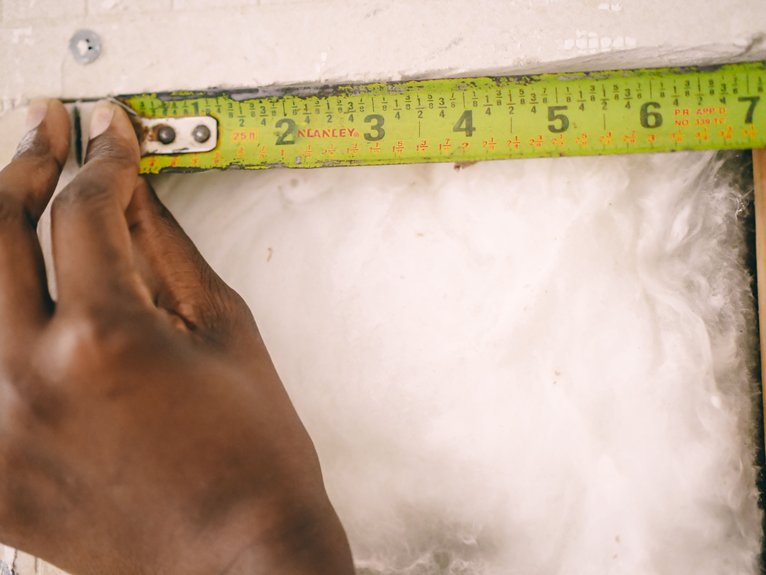
You want to ensure your figures are spot-on for optimal performance. Measurement accuracy is crucial—if you’re off by even a small amount, it can create gaps that affect airflow and energy efficiency.
Remember, every detail counts. Engaging with others in the field can help you share experiences and learn from each other’s mistakes.
Underestimating Insulation Thickness Needs
Many installers underestimate the thickness of insulation needed for ductwork, leading to potential energy losses and inefficiencies.
When you skimp on insulation measurement, you risk compromising the thermal resistance that keeps your systems running efficiently. By selecting an inadequate thickness, you’re not just impacting energy bills; you’re also affecting overall comfort in the spaces you serve.
Remember, greater thickness contributes to better thermal performance, ensuring that cool or warm air reaches its target without unnecessary losses. It’s crucial to assess local climate conditions and specific system requirements to determine the right insulation thickness.
Don’t let common underestimations affect your projects—aim for optimal insulation that keeps everyone cozy and connected to the best practices in the trade.
Ignoring R-Value Requirements to Maximize Energy Efficiency
While assessing ductwork insulation, it’s easy to overlook the importance of R-value, which plays a crucial role in maximizing energy efficiency.
Ignoring R-value requirements can lead to insufficient insulation, negatively impacting your system’s performance and increasing energy costs.
Understanding R-value standards is essential for ensuring energy compliance and creating a comfortable space for everyone.
When you prioritize the right R-values, you’re not only optimizing energy savings but also contributing to a more sustainable environment.
Plus, it fosters a sense of community as you help reduce overall energy consumption.
Not Considering Environmental Factors for Insulation Efficiency
Neglecting environmental factors can significantly undermine insulation efficiency in ductwork. When you choose insulation materials without considering their environmental impact, you’re missing out on achieving the best performance. Factors like temperature swings and humidity levels can affect insulation effectiveness, so it’s crucial to align your choices with local conditions.
Here’s a quick reference table to remind you of key environmental factors to consider:
| Factor | Description | Impact on Insulation |
|---|---|---|
| Ambient Temperature | Surrounding air temperature | Affects thermal resistance |
| Humidity Levels | Amount of moisture in the air | Influences condensation |
| Seasonal Changes | Variations throughout the year | Affects insulation needs |
| Local Climate | Overall weather patterns | Determines material choice |
Make informed decisions to improve efficiency!
Overlooking Effective Installation Techniques for Duct Insulation
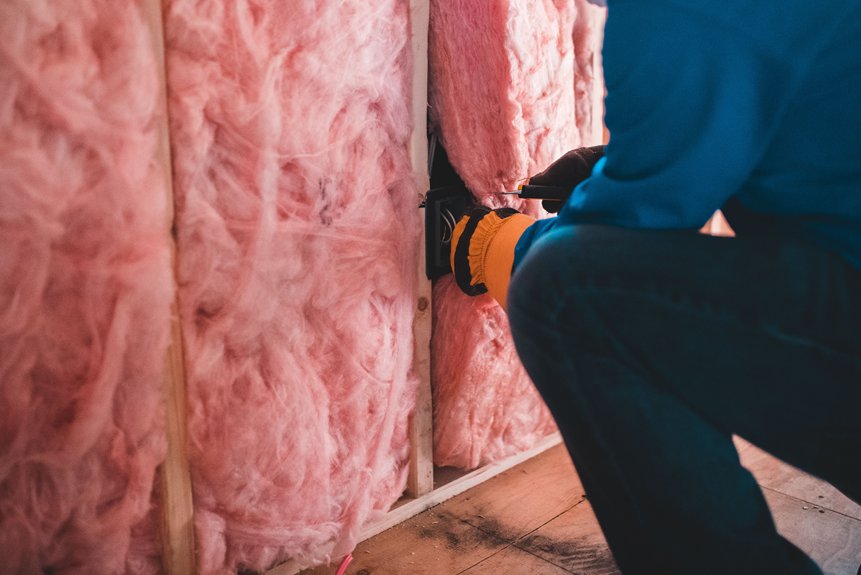
If you overlook effective installation techniques for duct insulation, you could compromise the entire system’s performance.
Choosing the right material selection is crucial; not all insulations work well together. Ensure you understand the specific needs of each application and pick materials that meet those demands.
Next, don’t underestimate the importance of proper installation tools. Using the right tools can make the difference between a well-insulated duct and a system riddled with energy loss.
Additionally, focus on sealing your ducts correctly and ensuring each section fits snugly together.
By applying these effective installation techniques, you’ll not only improve your insulation efforts but also help others in your field understand the importance of quality work.
Together, we can make our systems more efficient and reliable.
Conclusion
In conclusion, avoiding these common pitfalls when measuring ductwork insulation can significantly enhance energy efficiency and comfort in your environment. By taking precise measurements, prioritising insulation thickness, adhering to thermal performance standards, considering environmental conditions, and implementing appropriate installation techniques, you can ensure your insulation functions optimally.
By staying informed and attentive to these essential factors, you will contribute to a successful duct insulation project that conserves energy and maintains a comfortable atmosphere in your home throughout the year.