
When it comes to mechanical insulation takeoffs, precision is essential for contractors like you. An effective takeoff not only enhances your project’s efficiency but also aids in managing costs and resources judiciously. Employing the right tools and adhering to best practices can significantly improve your workflow.
Let’s delve into common challenges and strategies to enhance your takeoff process, laying a strong foundation for successful collaboration with stakeholders.
By focusing on details such as measurements, materials, and installation techniques, you can ensure that your takeoffs are both accurate and comprehensive. Building strong relationships with suppliers and understanding the latest innovations in insulation can also play a vital role in optimising your projects.
Incorporating these approaches will lead to improved project outcomes and satisfaction for all parties involved.
Key Takeaways
- Accurate mechanical insulation takeoffs significantly enhance project efficiency, ensuring cost-effectiveness for UK contractors while fostering trust with clients and teams.
- Employing specialised takeoff software and measurement tools streamlines calculations and minimises errors, which is crucial for the success of insulation projects.
- Maintaining clear communication with stakeholders and team members effectively reduces misunderstandings and ensures everyone is aligned on specifications and project modifications.
- Regularly reviewing supplier quotes and market prices helps align cost estimations with prevailing economic conditions, ensuring budgets remain precise.
- Adopting a structured, step-by-step approach for takeoffs guarantees thorough measurements and clear reporting, facilitating informed decision-making and optimal resource allocation.
Understand the Importance of Accurate Mechanical Insulation Takeoffs
Accurate mechanical insulation takeoffs are crucial for any contractor aiming to ensure project efficiency and cost-effectiveness.
When you prioritize precise takeoff standards, you don’t just avoid costly mistakes; you also foster trust within your team and with clients.
Getting a handle on what materials you’ll need boosts material efficiency, making your project smoother from start to finish.
Utilize Key Tools and Software for Efficient Takeoffs
Harnessing the right tools and software can make all the difference in your mechanical insulation takeoffs. By integrating effective takeoff software into your workflow, you’ll speed up the process and minimize errors. These programs often come with measurement tools that let you accurately calculate materials and quantities, helping you make informed decisions quickly.
You don’t have to do it alone; collaborating with your team using shared software ensures everyone’s on the same page. Plus, digital platforms allow for easy updates and adjustments, making your work more efficient.
When you choose tools that fit your needs and encourage teamwork, you’re not just improving your workflow; you’re also becoming part of a community that values precision and progress.
Implement Best Practices for Takeoff Accuracy
Although it might seem straightforward, implementing best practices for takeoff accuracy is crucial to ensure your mechanical insulation projects run smoothly.
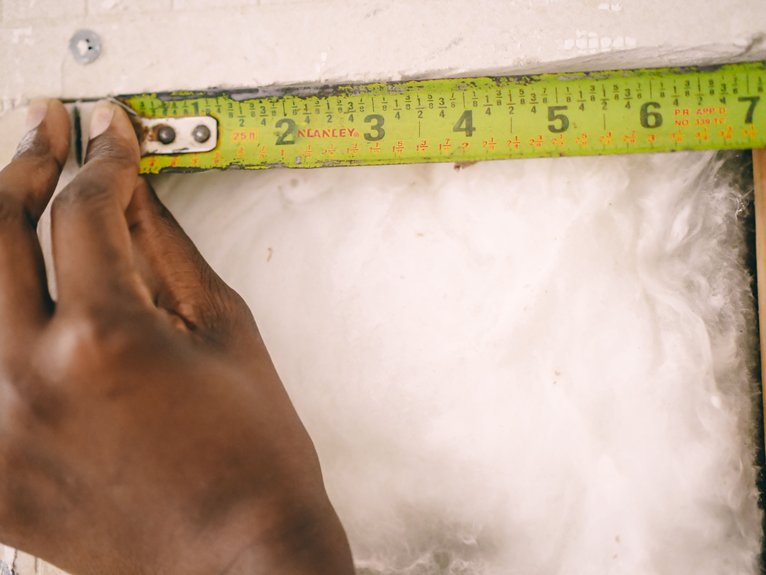
To start, focus on precise measurement techniques. Use reliable tools to take consistent measurements, which can significantly improve your quantity estimation. Don’t underestimate the importance of double-checking your numbers; a small error can lead to costly adjustments later.
Additionally, maintain clear communication with your team. Sharing information about specification changes and project adjustments can prevent miscalculations. Adopting a standardized process for takeoffs not only saves time but fosters collaboration, ensuring everyone’s on the same page.
Finally, it’s wise to stay updated on industry standards and trends. Participating in forums and training sessions can deepen your knowledge and promote best practices.
Overcoming Common Insulation Takeoff Challenges
Even with best practices in place, you may still face common challenges during insulation takeoffs. One primary hurdle is accurate cost estimation. It’s crucial to ensure your calculations align with current market prices, as fluctuations can impact your overall budget. Regularly review quotes from trusted suppliers to keep your estimates on point.
Another challenge is material selection. With numerous options available, choosing the right insulation can be intimidating. It’s essential to consider factors like thermal performance, durability, and compatibility with the project’s specifications. Collaborating with team members can help streamline this process. Discussing your choices fosters a sense of belonging and shared expertise.
Lastly, ensure that you’re maintaining clear communication with all stakeholders involved. This transparency helps to avoid misunderstandings and keeps everyone on the same page throughout the takeoff process.
Conduct a Step-by-Step Mechanical Insulation Takeoff
When you conduct a mechanical insulation takeoff, it’s essential to follow a structured approach to ensure accuracy and efficiency. Start by gathering your project blueprint and identifying all areas requiring insulation.
Next, focus on material selection; choose materials that meet project specs while considering thermal performance and budget constraints.
Once you’ve selected materials, outline the required installation techniques for each section. This will help you understand how they’ll affect your labor estimates and overall costs. Break down each component, measuring lengths, diameters, and thicknesses as needed.
As you compile your data, double-check calculations and ensure you’re capturing everything accurately. Don’t hesitate to collaborate with your team; sharing insights can improve accuracy.
Finally, compile your takeoff into a clear report. By following these steps, you’re setting yourself up for success, creating a reliable foundation for your project and building strong industry relationships.
Conclusion
In conclusion, mastering mechanical insulation takeoffs is vital for UK contractors seeking to enhance project efficiency and minimise costs. By prioritising accuracy, utilising modern tools, and adhering to best practices, you can effectively navigate common challenges. Whether you are refining your estimation process or improving communication with stakeholders, these strategies will empower you to generate detailed, reliable reports.
Embrace these insights; they will not only streamline your projects but also foster stronger collaboration within your team and with clients. By adopting a thorough approach to mechanical insulation takeoffs, you can ensure that your work contributes positively to the overall success of each project.