

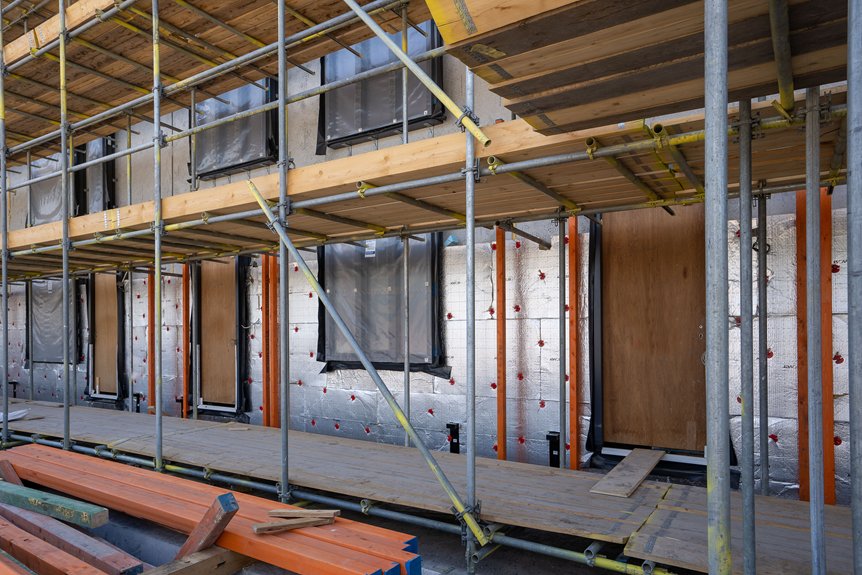
Estimating site logistics and access scaffolding costs for insulation bids involves a thorough understanding of your project’s unique requirements.
Considerations such as site accessibility and terrain are crucial, as they can significantly impact both your costs and timeline. It’s essential to identify any potential obstacles that may arise during the project.
Each element plays a vital role in shaping your bid. As you collect this information, reflect on how various factors can influence overall expenses and scheduling.
Next, let’s explore the key areas of focus for your estimation process.
Key Takeaways
- Assess site accessibility to identify potential logistical challenges that may impact project timelines and expenses.
- Evaluate site conditions, including terrain and existing structures, to accurately estimate the complexity of scaffolding setup and material accessibility.
- Factor in project timelines, considering their influence on labour and rental fees when estimating scaffolding costs.
- Take into account local regulations and compliance fees, as they play a significant role in overall labour and material expenses for your bid.
- Collaborate with your team to ensure that all labour requirements and site logistics are comprehensively understood and accurately reflected in the bid.
Understanding the Importance of Site Logistics in Insulation Bids
When you’re preparing insulation bids, understanding site logistics is crucial, as it directly impacts your project’s success.
You need to consider site accessibility; if a site is hard to reach, it can create logistical challenges that affect timelines and costs.
Think about how materials will be delivered and where they’ll be stored. A site with limited access might require special equipment or extra manpower, driving expenses up.
When you’re in tune with the unique characteristics of your site, like traffic patterns or terrain obstacles, you can better estimate labor needs and material logistics.
This knowledge not only helps you deliver accurate bids, but it also fosters trust with clients who want assurance that you’ve got every detail covered.
Ultimately, paying close attention to site logistics will help you streamline operations, ensuring a smoother execution and reinforcing your reputation within the insulation contracting community.
Identifying Key Factors Affecting Scaffolding Costs
Scaffolding costs can significantly influence your overall project budget, making it essential to identify the key factors that drive these expenses.
Understanding what affects these costs can help you make informed decisions and avoid surprises down the road.
Consider these key factors:
- Site conditions: The terrain and environment can complicate scaffolding setup and lead to higher costs.
- Material accessibility: How easy it’s to get materials on-site can impact both time and expenses.
- Project timeline: A tight schedule may require more resources, increasing labor and rental fees.
- Height and complexity: Taller and more intricate scaffold structures necessitate more materials and safety measures.
- Local regulations: Compliance with safety standards can influence labor costs.
Types of Scaffolding: Choosing the Right Fit for Your Project
When planning your project, understanding the different types of scaffolding is crucial.
Each type has its own unique benefits and limitations, and you’ll want to choose one that fits your specific needs.
Let’s explore the main types available and the factors that can influence your selection.
Scaffolding Types Overview
Selecting the right type of scaffolding is crucial for the success of your construction project. Each scaffolding type offers unique benefits, ensuring both efficiency and safety.
Understanding your options helps you align with scaffolding regulations and prioritize scaffolding safety.
- Frame Scaffolding: Great for basic projects and easy to install.
- System Scaffolding: Flexible design for complex structures.
- Suspended Scaffolding: Ideal for tall buildings and maintenance tasks.
- Rolling Scaffolding: Convenient for jobs that require mobility.
- Single Scaffolding: Perfect for bricklaying and building walls.
Always consider the proper scaffolding materials, design, and maintenance requirements to ensure everything runs smoothly.
With the right scaffolding installation, your project will thrive, and your team will feel secure.
Factors Affecting Selection
Choosing the right scaffolding for your project involves considering several key factors that can significantly influence your overall success.
First, evaluate the scaffolding materials available, as different options offer varying strength, durability, and cost. For instance, aluminum is lightweight and easy to assemble, while steel provides superior strength for heavier tasks.
Next, think about site accessibility; you’ll need scaffolding that can adapt to your project’s unique conditions. Ensure there’s enough space for assembly and movement without obstructing other work areas.
Don’t underestimate local regulations, too—compliance can help avoid delays.
Ultimately, selecting the right scaffolding creates a safe, efficient environment that fosters teamwork and trust among your crew. It’s all about working together for the best results!
Assess Your Site Layout
As you prepare to estimate site logistics and scaffolding costs, assessing your site layout plays a crucial role in the planning process.
Understanding the unique characteristics of your project site helps address site specific challenges and accessibility issues, ensuring a smoother workflow.
Here are some key elements to evaluate:
- Space availability for scaffolding equipment
- Proximity to existing structures or obstacles
- Ground conditions and stability
- Entrances and exits for personnel and materials
- Safety zones for workers and bystanders
Estimate Labor Needs for Scaffold Setup
To effectively set up scaffolding, you’ll need to consider the specific labor skill requirements for the task.
You’ll also want to allocate time estimates for each part of the setup process, ensuring everything runs smoothly.
Labor Skill Requirements
While it may seem straightforward, estimating labor skill requirements for scaffold setup is crucial to ensure safety and efficiency on the job site. Recognizing the varying skill levels within your team helps you allocate the right resources to meet the labor intensity of the task.
Consider these key points when assessing your workforce:
- Experience with scaffolding systems
- Knowledge of safety protocols
- Physical fitness for demanding tasks
- Ability to work as a cohesive unit
- Willingness to learn and adapt
Time Allocation Estimates
Accurately estimating time allocation for scaffold setup is essential for maintaining productivity and meeting project deadlines. By incorporating time tracking, you can effectively gauge labor needs and ensure your team stays on target to reach project milestones. Here’s a simple breakdown to help visualize your time estimates:
| Task | Estimated Time (Hours) |
|---|---|
| Scaffold Assembly | 4 |
| Safety Checks | 2 |
| Final Adjustments | 1 |
Engaging your crew in time allocation discussions fosters teamwork and belonging. As you refine your estimates, keep communication open among all team members, ensuring everyone understands their roles and responsibilities. This approach not only boosts morale but also optimizes efficiency on-site.
Extra Costs: Permits and Safety Tips
When you’re budgeting for site logistics and scaffolding, don’t overlook the extra costs associated with permits and safety regulations. Understanding these costs is vital to avoid any surprises down the line.
Here are some extra expenses you should consider:
- Permit fees for construction and scaffolding
- Fees related to safety inspections
- Costs for safety gear and equipment
- Training expenses for workers on safety protocols
- Fines for non-compliance with safety regulations
What Extra Costs Should You Include?
In construction projects, many often forget to factor in extra costs that can significantly impact your budget. You need to consider insurance premiums, as liability coverage is essential to protect your team and your finances.
Don’t overlook equipment rentals; they can add up quickly if not included in your estimates. Creating contingency funds helps you prepare for unexpected expenses, providing a safety net when surprises arise.
Transportation expenses, especially if you’re moving materials or personnel to different job sites, can also strain your budget. Maintenance costs for your equipment and scaffolding shouldn’t be ignored either; keeping everything in good condition prevents delays and accidents.
Lastly, investing in safety training for your crew isn’t just good practice—it’s often a legal requirement that can save you from costly fines. By including these expenses, you’ll create a more accurate bid and foster camaraderie among your team, knowing you’re all well-prepared.
Conclusion
In conclusion, accurately estimating site logistics and access scaffolding costs for insulation tenders is vital for the success of any project. By comprehensively understanding your site’s conditions, selecting the appropriate scaffolding, and anticipating labour and permit expenses, you can develop a dependable tender that fosters trust with your clients.
Staying organised and thorough in your planning not only streamlines the project but also lays the groundwork for a smooth execution and satisfied customers. Emphasising effective logistics and careful consideration of scaffolding types will ensure that your bid is both competitive and reliable, ultimately contributing to the overall efficiency of the insulation process.