
Creating a comprehensive insulation takeoff manifest is crucial for ensuring your project aligns with client expectations. It is vital to define material specifications, calculate quantities with precision, and remain considerate of your budget. A well-structured manifest not only clarifies the various types of insulation but also fosters effective communication among all stakeholders involved.
Understanding the essential elements of the insulation takeoff can greatly influence the success and efficiency of your project. Key considerations include selecting appropriate insulation materials, assessing thermal performance, and identifying installation requirements.
Embarking on this process with a clear focus will facilitate smoother project execution and enhance overall client satisfaction. Consider the specific needs of your project and how best to address them through a detailed takeoff.
By prioritising quality and accuracy in your insulation takeoff, you can ensure that your project meets high standards and delivers optimal results.
Key Takeaways
- Begin by identifying the various types of insulation, along with their specifications and performance requirements, to effectively address project needs.
- Employ precise measurement techniques to calculate insulation quantities, ensuring thorough documentation for client approval.
- Incorporate detailed cost estimates, monitor budgetary considerations, and account for potential waste factors to maintain financial oversight throughout the project.
- Present the takeoff manifest using visual aids to enhance clarity, encouraging client feedback for improved comprehension.
- Promote collaboration among stakeholders to align expectations, facilitate efficient tracking of materials, and reduce the likelihood of project delays.
Understanding the Role of an Insulation Takeoff Manifest
An insulation takeoff manifest is a crucial tool in the construction industry. It helps you accurately assess the amounts and types of insulation needed for your projects. By utilizing this document, you’ll gain a clear understanding of insulation benefits, which can dramatically boost energy efficiency and comfort in buildings.
You want your projects to run smoothly, right? A well-prepared takeoff manifest streamlines the process and saves time, fostering project efficiency from start to finish.
When you break down the insulation requirements, you also make it easier to communicate with your team and clients. Everyone feels included, aligned, and focused on the same goals.
With accurate quantities in hand, you can confidently navigate procurement and installation, maximizing your project’s success. Ultimately, understanding the role of an insulation takeoff manifest not only improves your workflow but also strengthens your commitment to delivering high-quality results.
Key Elements for Building an Insulation Takeoff Manifest
When building an insulation takeoff manifest, you’ll need to focus on key elements that ensure accuracy and efficiency.
Start by identifying material specifications and types, then move on to measurement techniques and standards.
Finally, don’t forget to incorporate cost estimation and budgeting to keep your project on track.
Material Specifications and Types
To create an effective insulation takeoff manifest, understanding material specifications and types is crucial.
You’ll encounter various insulation types, such as fiberglass, foam board, and cellulose, each with unique benefits. Knowing the material performance is key; for instance, some materials resist moisture better than others, while others offer superior thermal resistance.
Consider your specific project needs when selecting the appropriate insulation. Ensure you verify the R-values, thickness, and installation methods for each type to align with your goals.
Measurement Techniques and Standards
Effective measurement techniques and standards play a vital role in producing an accurate insulation takeoff manifest. To ensure you’re on the right track, familiarize yourself with industry-standard measurement techniques.
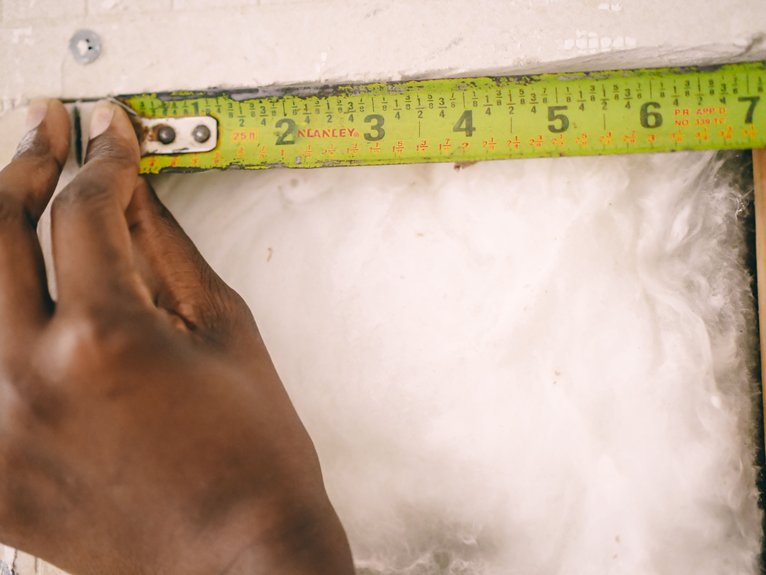
Using precise tools like tape measures and laser distance meters can significantly boost your accuracy. Additionally, adhering to established measurement standards helps maintain consistency across your project, fostering trust with clients and colleagues alike.
Always double-check your work by cross-referencing measurements to avoid costly mistakes. Remember, clear and organized documentation of your findings, using standard units of measurement, is essential for client approval.
Cost Estimation and Budgeting
Having solid measurement techniques is only part of creating an accurate insulation takeoff manifest; understanding cost estimation and budgeting is equally important.
You’ll need to grasp cost allocation to ensure each section of the project is accounted for, making it easier to spot any budget variances. By breaking down materials and labor costs, you can generate a more precise budget that reflects your client’s expectations.
Regularly reviewing your estimates against the actual expenses will help you maintain control and foster trust with your clients. Remember, clear communication about potential price changes and budget variances can strengthen your relationship with them.
When everyone’s on the same page, you’re building a solid foundation for success and fostering a sense of community in your work.
Creating Your Insulation Takeoff Manifest: A Step-by-Step Guide
When you create your insulation takeoff manifest, the first step is selecting the right insulation materials for your project.
Next, you’ll need to calculate the quantity requirements based on your specific measurements. This process ensures that you have everything you need to achieve the best results in your insulation work.
Selecting Insulation Materials
Selecting the right insulation materials is crucial for achieving optimal energy efficiency and comfort in any building project.
You’ll want to consider several factors to ensure you make informed choices that resonate with your vision.
- Insulation properties: Evaluate thermal resistance (R-value) and moisture control capabilities.
- Material sourcing: Choose sustainable options to support eco-friendly practices.
- Cost-effectiveness: Balance initial investments with long-term savings on energy bills.
- Installation ease: Opt for products that fit well with your construction methods.
- Local climate: Select materials that suit the specific weather conditions of your area.
Calculating Quantity Requirements
Now that you’ve chosen the right insulation materials, the next step is calculating how much you’ll need for your project.
Start by measuring the areas you plan to insulate—walls, ceilings, and floors. Use these dimensions to perform a quantity estimation based on the insulation factors of your selected materials.
Remember, factors like R-value will affect how much insulation you need. Don’t forget to factor in waste, typically around 10%, to ensure you have enough for unexpected errors.
It’s essential to gather this information accurately to create a comprehensive takeoff manifest that clients can trust.
When you nail down these calculations, you’ll feel more confident in your project’s success and in your role as a knowledgeable professional.
Common Challenges in Takeoff Processes and Solutions
While it’s essential to conduct precise takeoffs for insulation projects, several common challenges can hinder the process. You might find yourself facing obstacles that affect accuracy and efficiency. By addressing these issues, your projects can run smoother.
Here are a few common challenges and potential solutions:
- Data discrepancies: Regularly cross-check data sources to ensure consistency.
- Communication barriers: Foster open communication among team members to clarify expectations.
- Software limitations: Choose user-friendly software and seek training to maximize its potential.
- Workforce training: Invest in ongoing training for your team to keep skills sharp and up-to-date.
- Documentation accuracy: Implement a standardized documentation process to minimize errors and improve compliance.
Effective Presentation Techniques for Takeoff Delivery
Delivering effective presentations after completing an insulation takeoff is crucial for ensuring all stakeholders understand the findings and implications of the project. To make your presentation engaging and memorable, incorporate visual aids like charts, graphs, and images. These tools not only improve understanding but also keep your audience focused and involved.
Start by clearly outlining the key points, making it easy for everyone to follow along. Encourage audience engagement by asking questions or inviting feedback throughout. This fosters a sense of belonging and collective ownership of the project.
Remember to practice your delivery to build confidence and ensure smooth transitions between topics. Use a friendly tone, and maintain eye contact to connect with your audience.
Finally, encourage open dialogue at the end of your presentation, allowing stakeholders to voice their thoughts and concerns, helping everyone feel included and valued in the decision-making process.
How Can a Takeoff Manifest Make Your Project Run Smoothly?
A takeoff manifest can significantly streamline your project by providing a clear and organized summary of all insulation materials needed. This not only boosts project efficiency but also improves stakeholder communication, ensuring everyone’s on the same page.
Here’s how a well-crafted takeoff manifest helps your project run smoothly:
- Detailed Breakdown: It offers specific quantities and types of insulation materials.
- Cost Control: You can track expenses more accurately, avoiding budget overruns.
- Time Management: A clear list helps schedule deliveries and installations efficiently.
- Prevents Errors: Reduces the risk of forgetting materials, leading to fewer delays.
- Facilitates Collaboration: Everyone involved can easily reference the same information.
Conclusion
In conclusion, a meticulously crafted insulation takeoff manifest is essential for the success of any project. By thoroughly detailing specifications, quantities, and budget considerations, you facilitate clear communication among all parties involved. This level of clarity not only helps to avert errors but also streamlines both procurement and installation processes.
By adhering to the outlined steps, you can produce an effective manifest that prioritises client satisfaction and aligns with project expectations. Ultimately, investing time into this process results in a more efficient and successful project outcome.
The attention to detail in your takeoff manifest can significantly enhance the overall project experience, fostering collaboration and ensuring that every stakeholder is informed and engaged. Take the time to create a comprehensive document, and you will reap the benefits in the long run.