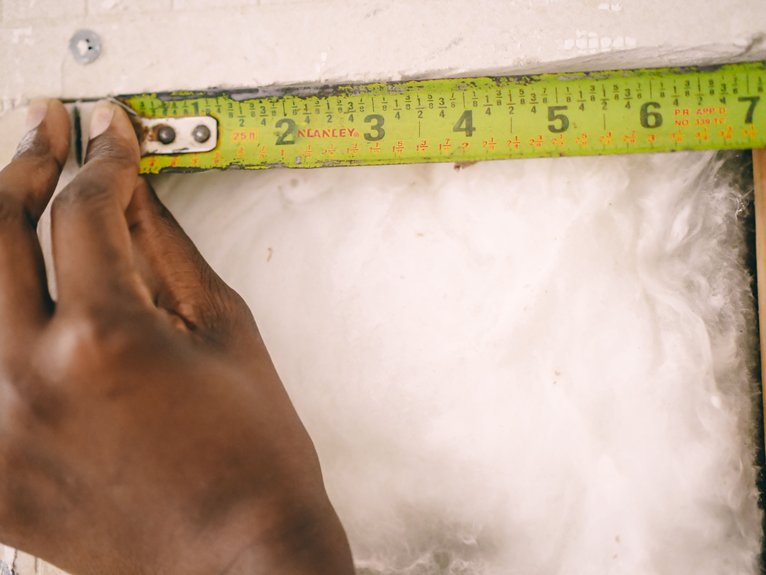

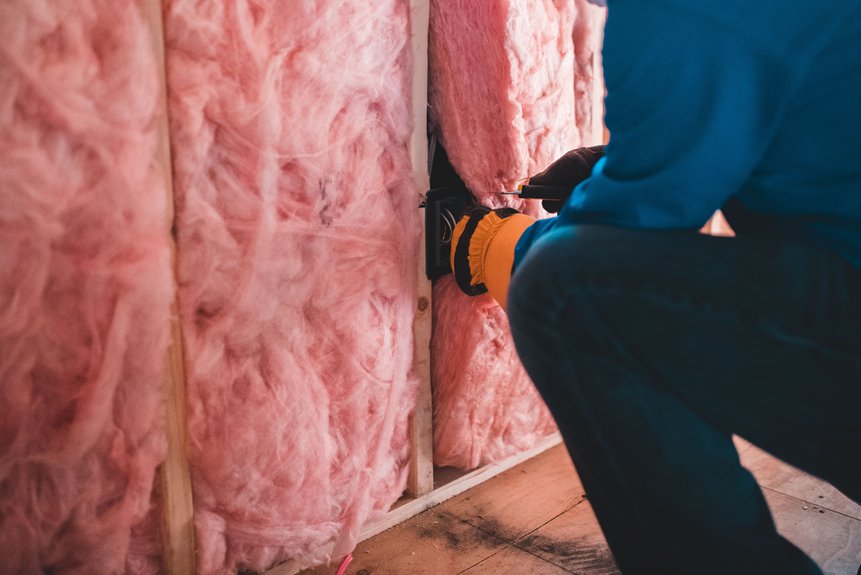
If you’re new to thermal insulation contracting, mastering on-screen takeoffs can significantly enhance your project workflow. This digital method replaces traditional paper-based systems, allowing for improved accuracy and efficiency in estimations. By grasping the fundamentals, you can streamline your processes and foster better collaboration with your team.
Are you interested in the key advantages and essential steps involved in adopting this technology? Let’s delve into how you can transform your estimating practices for superior results.
Using on-screen takeoffs will not only save time but also reduce errors, ultimately leading to cost savings and increased competitiveness in the market. Embracing this innovative approach ensures that you remain aligned with modern industry standards while providing high-quality service to your clients.
As you begin implementing on-screen takeoffs, consider integrating training for your team to ensure everyone is equipped with the necessary skills. This proactive approach can greatly facilitate a smooth transition while enhancing productivity.
By modernising your estimating practices, you position your business for future success in the evolving field of thermal insulation contracting.
Key Takeaways
- Understand the significance of digital tools in replacing traditional paper blueprints to enhance precision and productivity in thermal insulation projects.
- Familiarise yourself with crucial software functionalities such as digital plan marking and automated calculations to facilitate more efficient takeoff procedures.
- Practise accurate measurement techniques and employ reliable scaling methods to ensure trustworthy project estimates, thereby reducing the risk of costly errors.
- Develop systematic workflows and effective document management strategies to enhance collaboration and minimise mistakes throughout the takeoff process.
- Engage in regular training and keep your software updated to maintain your skills and adapt to innovative features for enhanced efficiency in your projects.
What Is an On-Screen Takeoff? A Beginner’s Guide
If you’re new to the world of construction estimating, you might wonder what an on-screen takeoff is.
Essentially, it’s a digital tool that lets you measure and quantify various project elements directly from digital plans. Instead of relying on traditional paper blueprints, you’ll use specialized software to analyze drawings, making the entire process more efficient and accurate.
Benefits of On-Screen Takeoffs for Thermal Insulation Projects
On-screen takeoffs can seriously improve your thermal insulation projects by giving you increased accuracy and precision right from the start.
You’ll also notice better workflow efficiency, making your processes smoother and faster.
Plus, these tools foster enhanced collaboration opportunities, allowing your team to communicate more effectively and share insights with ease.
Increased Accuracy And Precision
Accuracy and precision are crucial in ensuring the success of thermal insulation projects, and on-screen takeoff tools significantly improve both. By utilizing these tools, you can achieve better measurement calibration, ensuring that every detail is captured correctly.
This way, you’re reducing the chances of costly mistakes that can arise from manual takeoffs. On-screen takeoffs also offer seamless data integration, allowing you to combine multiple project elements effortlessly.
You’ll find that this level of accuracy leads to more reliable estimates, strengthening your reputation among clients and peers alike. When you invest in these tools, you’re joining a community of professionals committed to quality and excellence, making your projects not only successful but also more efficient and satisfying.
Improved Workflow Efficiency
Streamlining your thermal insulation projects becomes much easier with the implementation of on-screen takeoffs. You’ll notice a significant boost in workflow efficiency, allowing you to manage your time and resources better. By integrating this technology, you can improve your project scheduling and meet deadlines with ease.
Here are a few benefits to consider:
- Faster takeoff processes: Reduce the time spent on manual calculations and focus more on critical tasks.
- Simplified revisions: Quickly make updates without starting from scratch, saving time and effort.
- Improved accuracy: Ensure that your project estimates are precise, minimizing costly mistakes.
Embracing on-screen takeoffs not only improves your efficiency but also creates a smoother experience for everyone involved.
Enhanced Collaboration Opportunities
Collaboration can significantly improve when you adopt on-screen takeoffs for your thermal insulation projects. With these innovative collaborative tools, teams can work together seamlessly, breaking down traditional barriers.
You’ll find that real-time access and updates boost project communication, allowing everyone involved to be on the same page. When changes arise, it’s easier to share insights and adjustments, making your collaborative efforts more effective.
You’ll feel more connected with your colleagues, as on-screen takeoffs foster a team-oriented environment where everyone’s input matters. By enhancing your project communication, you not only streamline decisions but also build a stronger sense of community.
Embrace on-screen takeoffs, and watch your team thrive as you tackle thermal insulation projects together!
Essential Software for Efficient On-Screen Takeoffs
When you want to improve efficiency in your on-screen takeoffs, choosing the right software can make a significant difference.
You’ll find that the best tools streamline your workflow, letting you focus on what matters. Look for software that aligns with your needs by considering these key aspects:
- Software Features: Identify essential features like digital plan marking and automated calculations.
- User Reviews: Read feedback from fellow contractors to understand real-world performance and usability.
- Pricing Options: Compare pricing options to find a balance between cost and capabilities.
Additionally, check out integration capabilities, customization options, and training resources.
These elements can smooth out installation procedures and make the transition easier. By considering industry comparisons, you’ll better understand which software fits your specific requirements.
Embracing the right tools helps you feel more connected to your craft and community.
How to Conduct an On-Screen Takeoff in 5 Steps
Conducting an on-screen takeoff is a straightforward process that can significantly improve your efficiency. Start by choosing your digital measurement tools. Most software includes features like zooming and layering, which help you analyze the plans with ease.
Next, familiarize yourself with the project’s drawings and specifications to ensure you’re on the right track.
Once you feel confident, mark up the relevant areas on-screen, taking care to record measurements accurately. This step is crucial for reliable project estimation processes.
After marking, it’s time to calculate quantities. Most digital tools can automate this process, making calculations quicker and less prone to error.
Finally, review everything to ensure accuracy before finalizing. By following these five steps, you’ll streamline your workflow and build a sense of community with fellow contractors who rely on these methods.
Solutions to Common On-Screen Takeoff Challenges
You might encounter several challenges while conducting on-screen takeoffs, from software compatibility issues to ensuring accurate measurements.
Addressing these obstacles can significantly improve your workflow and boost your overall efficiency.
Let’s explore some practical solutions to help you overcome these common hurdles.
Software Compatibility Issues
Maneuvering software compatibility issues is a common challenge for thermal insulation contractors using on-screen takeoff tools. You want your tools to function seamlessly, but software updates, user interfaces, and installation requirements can cause bumps along the way.
Here’s how to tackle these issues:
- Keep track of software updates: Regularly updating your software ensures it meets current compatibility standards.
- Familiarize yourself with user interfaces: Understanding how your software operates can help you troubleshoot common problems.
- Review installation requirements: Ensure your systems meet the necessary specs for optimal performance.
Addressing these compatibility concerns can save you time and frustration, allowing you to focus on what matters most—delivering quality work to your clients.
Accurate Measurement Techniques
After addressing software compatibility issues, it’s time to focus on accurate measurement techniques that can significantly improve your on-screen takeoff process. You’ll want to use reliable measurement tools that boost your accuracy, especially when dealing with complex project details.
Familiarizing yourself with different scaling methods is crucial; they enable you to convert measurements correctly to fit your takeoff needs. Engaging in practice sessions with various tools will build your confidence and efficiency.
Remember, precision in measurements can save you time and costs down the line. As you implement these techniques, you’ll feel more connected to the community of thermal insulation contractors, all working towards excellence in their craft.
Keep refining your skills, and you’ll see noticeable improvements.
Efficient Workflow Strategies
When tackling common challenges in on-screen takeoffs, efficient workflow strategies can make a significant difference in getting the job done smoothly.
You can improve your process by focusing on a few key areas:
- Document management: Organize all your files systematically to reduce search time and confusion.
- Standardized procedures: Develop consistent methods for takeoffs, streamlining your approach across projects.
- Set clear project timelines: Establish realistic deadlines to keep your team accountable and on track.
Tips to Boost Your Efficiency With On-Screen Takeoffs
To maximize your efficiency with on-screen takeoffs, it’s essential to adopt a few strategic practices that streamline the process. First, leverage digital measurement tools to speed up your takeoffs. These tools can help you measure areas accurately and quickly, reducing manual errors.
Next, ensure your estimating software integrations are seamless. This means your digital tools should work well with your existing software, which improves accuracy and saves time.
Here’s a quick look at effective practices:
| Practice | Benefit |
|---|---|
| Use digital measurement tools | Fast, accurate area calculations |
| Automate repetitive tasks | Reduces time spent on manual entry |
| Customize your interface | Makes navigation intuitive and swift |
| Regular training updates | Keeps your skills sharp and relevant |
Conclusion
Incorporating on-screen takeoffs into your thermal insulation projects can transform your estimating process. By embracing these digital tools, you will enhance accuracy, streamline workflows, and cultivate better collaboration with your team.
It is essential to familiarise yourself with the software and measurement techniques to navigate the process with confidence. As you face challenges and refine your approach, you will discover that on-screen takeoffs not only save time but also lead to more reliable estimates and successful project outcomes.
Additionally, utilising digital takeoff solutions enables you to visually assess project specifications, making it easier to identify potential issues early on. This proactive approach can significantly enhance your project delivery.
By leveraging these innovative tools, thermal insulation contractors can set themselves apart in a competitive market, ultimately ensuring greater client satisfaction and improved operational efficiency.