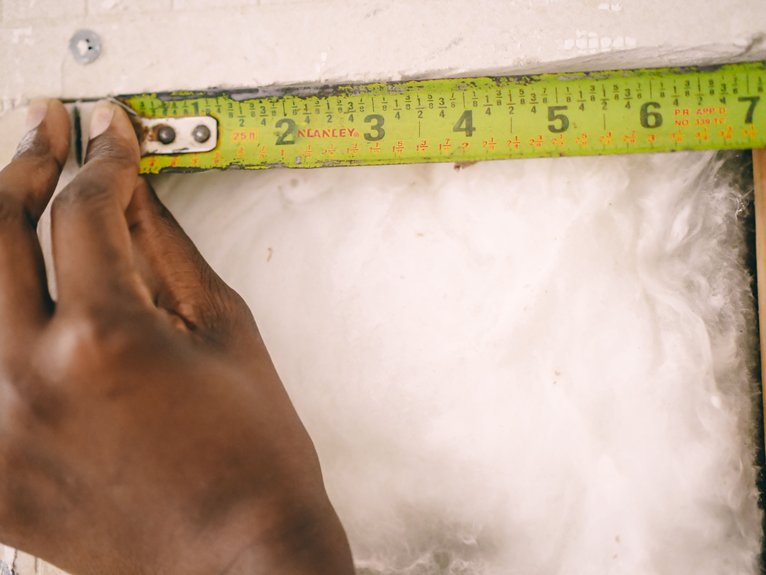


When pricing challenging runs in construction, it is essential to account for obstacles such as low clearance and elevated piping. These elements complicate installation processes, potentially leading to heightened labour and material expenses.
Effective coordination with your team and employing advanced estimation tools are crucial for developing accurate budgets.
So, how can you uncover the hidden costs associated with these issues? A thorough understanding of the unique complexities in each scenario can significantly enhance the accuracy of your estimates.
By addressing these challenges proactively, you can ensure that your pricing reflects the true nature of the work involved.
Key Takeaways
- Conduct comprehensive risk assessments for low clearance and high-level piping to identify and mitigate potential hazards in cost estimates.
- Collaborate with the team to gather insights and share experiences relating to installation challenges associated with difficult runs.
- Incorporate additional costs for specialised equipment and increased labour resulting from accessibility issues when formulating budgets.
- Include contingencies in estimates to accommodate unexpected overruns stemming from intricate installations and future modifications.
- Employ cost estimation tools to improve accuracy and streamline budgeting processes for challenging projects.
Navigating Low Clearance Challenges in Construction and Plumbing
When tackling construction and plumbing projects, you’ll often encounter low clearance challenges that can complicate your work. To navigate these tricky situations, you’ll need to employ effective construction strategies that adapt your approach to limited space.
First, consider conducting a thorough risk assessment; identify any potential hazards associated with low clearance, such as equipment access or worker safety.
Next, clear communication and proactive clearance negotiations with your team can make a world of difference. You can often collaborate on alternative methods or tools designed for tight spaces.
Don’t hesitate to seek input from coworkers who’ve tackled similar scenarios; learning together builds a strong community.
Best Practices for Cost Estimation Techniques
Accurate cost estimation is crucial for the success of any construction or plumbing project. To improve your estimation techniques, incorporate value engineering and make informed material selections. By doing so, you’ll not only save money but also ensure better project outcomes.
Here are some best practices:
| Practice | Description |
|---|---|
| Research & Analyze | Gather data on previous projects for reference. |
| Collaborate | Work with your team to gather insights and ideas. |
| Use Software Tools | Leverage estimation software for accuracy. |
| Include Contingencies | Factor in potential overruns to avoid surprises. |
| Review & Revise | Keep refining estimates based on feedback. |
Critical Cost Factors for High-Level Piping in Projects
Cost estimation practices you’ve learned about play a significant role when it comes to high-level piping in projects. Understanding the critical cost factors can help you feel more connected to your team’s success.
Here are some essential considerations to keep in mind:
- Materials selection: Choosing the right materials can influence durability and performance.
- Design considerations: Aligning design with project goals ensures functionality and efficiency.
- Labor costs: Skilled labor may be needed, impacting your budget.
- Installation challenges: Access issues can make installation more complex, leading to increased costs.
- Future modifications: Planning for potential changes can save costs down the road.
Being aware of these factors allows you to engage with your project on a deeper level.
Embracing these aspects fosters a collaborative environment, making your work not just about numbers, but about building something meaningful together.
How Does High-Level Piping Impact Cost Estimation?
High-level piping plays a crucial role in shaping overall project cost estimation. When you encounter high-level challenges, it’s essential to consider how they affect the efficiency of your piping system. Raised installations can complicate logistics by requiring specialized equipment and increased labor costs.
You might find that getting materials to high places could mean additional rigging and coordination efforts, which add to your bottom line. Furthermore, high-level piping often leads to adjustments in workflow and timelines, as you’ll need to accommodate these complexities.
Pencil sharpening on cost estimations is a must; overlooking the impact of height can result in significant budget overruns. By embracing these challenges and optimizing your plans for piping efficiency, you can stay on track and maintain project integrity.
In doing so, you’ll foster a sense of community among your team, ensuring everyone’s on the same page when it comes to addressing these concerns.
Utilizing Tools for Accurate Cost Estimates
When tackling the complexities of a project, leveraging the right tools can make all the difference in realizing your budget goals. Cost estimation tools and effective software integration are crucial for accurate assessments.
You’ll find that using these tools not only streamlines your processes but also fosters a sense of community among project teams who share similar challenges.
Consider these emotional benefits:
- Feel empowered with precise estimates.
- Reduce stress by eliminating guesswork.
- Build trust through transparency with your clients.
- Collaborate easily with team members on complex tasks.
- Celebrate achieving budget goals together.
Conclusion
In conclusion, accurately pricing challenging runs in construction necessitates careful consideration of low clearance and high-level piping issues. By implementing best practices in cost estimation and utilising contemporary tools, you can effectively navigate these complexities.
Collaboration with your team and drawing upon their expertise will enhance your project planning and budgeting processes. Ultimately, remaining attentive to these factors will result in more accurate estimates and contribute to successful project outcomes.