

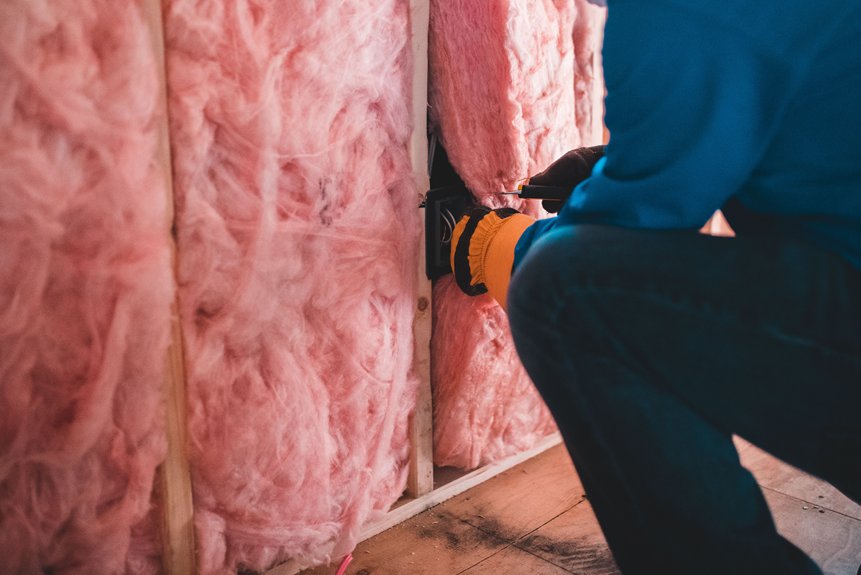
Estimating labour hours for on-site insulation application necessitates careful consideration of numerous essential factors. It is crucial to begin with a comprehensive project scope that encompasses the type of insulation and any site-specific challenges that may arise. Each insulation material presents its own labour demands, and complexities inherent to the site can significantly influence your time estimates.
By gaining a thorough understanding of these elements, you can establish a solid foundation for more precise projections. So, how can you effectively evaluate these variables to ensure accuracy?
Consider aspects such as the density of the insulation, the method of application, and the skill level of the workforce. Additionally, assess any unique characteristics of the site, including accessibility issues and existing structures that may impact the application process.
Incorporating these considerations into your estimation process will aid in achieving a more reliable assessment of labour hours required for your insulation project.
Key Takeaways
- Clearly define the project scope, encompassing areas, materials, and potential challenges to achieve precise labour hour estimation.
- Consider the type of insulation material employed, as each one presents unique labour requirements that can vary significantly.
- Evaluate site complexity, taking into account access difficulties and layout nuances, as these factors can greatly impact the estimated labour hours needed.
- Employ time tracking and workforce management tools to monitor task durations, thereby enhancing future labour estimates.
- Maintain regular communication with the team to adjust labour estimates in response to project changes and varying skill levels, ensuring accuracy and collaboration throughout the process.
Essential Factors in Labor Hour Estimates for Insulation Projects
When estimating labor hours for insulation projects, understanding essential factors can make a significant difference in your planning and budgeting. One of the first steps you should take is to clearly define the scope of the project. This includes detailing areas to be insulated, materials needed, and any specific challenges you might face. The more precise you’re in defining the scope, the easier it’ll be to estimate accurately.
Next, consider your team’s experience level. Skilled crew members can typically work more efficiently, reducing labor hours compared to a less experienced team. If your team has successfully completed similar projects, lean on that expertise.
By combining a well-defined scope with a knowledgeable team, you’ll find a well-rounded approach to your labor hour estimates. It fosters confidence, helping you feel more connected to your project’s success.
Calculating Labor Hours for Various Insulation Types
As you calculate labor hours for different insulation types, it’s crucial to recognize that each material presents unique requirements and challenges. Whether you’re working with fiberglass or spray foam, knowing the specifics can help you estimate accurately.
Here’s a quick breakdown of common insulation types and their labor hour demands:
| Insulation Type | Average Labor Hours per 100 sq. ft. |
|---|---|
| Fiberglass Batts | 2-3 hours |
| Fiberglass Blown | 3-5 hours |
| Spray Foam Open | 4-6 hours |
| Spray Foam Closed | 6-8 hours |
| Rigid Foam | 3-4 hours |
Understanding these estimates can foster confidence in your project planning, making it easier to coordinate your team’s efforts. Remember, clarity in your labor hour calculations helps create a smoother process for everyone involved.
How to Assess Site Complexity for Labor Estimation?
What factors should you consider when assessing site complexity for labor estimation? First, think about site preparation. Are there obstacles that could hinder access or create delays, like narrow hallways or uneven terrain? The smoother the prep work, the easier your job will be.
Next, evaluate access challenges. Will your team need specialized equipment to reach hard-to-access areas? These challenges can significantly impact the time it takes to complete the insulation application.
Also, consider the layout of the space. Intricate designs or tight corners require more careful work, meaning you’ll need to allocate extra labor hours.
Communication with your team is key—make sure everyone understands the site’s unique demands. By taking these aspects into account, you’ll feel more confident in your labor estimation, ensuring everyone’s on the same page and ready to tackle the project together.
The Right Tools to Estimate Labor Hours Accurately
Accurate labor hour estimation hinges on using the right tools. When you have the best resources at your disposal, you’ll feel more confident tackling any insulation project.
Start with effective time tracking software that helps you monitor each phase of your work. This way, you can gather essential data on how long tasks take, allowing you to refine your estimates over time.
Utilizing workforce management tools can also streamline your processes. These tools help coordinate crew schedules, track performance, and allocate resources efficiently.
By staying organized, you not only save time but also create a sense of teamwork that boosts morale.
In essence, investing in the right tools makes it easier to estimate labor hours accurately. When you embrace effective time tracking and workforce management, you’ll foster a sense of belonging and support within your team, setting everyone up for success.
Adjusting Labor Estimates for Project Changes
When project changes arise, it’s crucial to adjust your labor estimates promptly to reflect the new scope of work. Ignoring these changes can lead to poor planning, frustrated teams, and budget overruns.
Start by reassessing the project scope considerations, noting how the changes impact the tasks at hand. Collaborate with your team to gather input on how many additional labor hours they’ll need to complete the modified tasks.
Make sure you’re also accounting for variables like material availability and crew skill levels. Be transparent with your team about why labor estimate adjustments are necessary; this builds trust and encourages open communication.
Conclusion
Accurately estimating labour hours for on-site insulation application is essential for the success of any project. By taking into account the type of insulation, evaluating site complexity, and employing the appropriate tools, you can develop reliable projections.
Engaging in effective communication with your team is also key. Keep them informed and adjust estimates as necessary throughout the project.
By applying these strategies, you can enhance efficiency, minimise delays, and elevate overall project management. A well-prepared approach ultimately leads to a smoother insulation application process and fosters satisfied clients.
Consider that focusing on clear communication and detailed planning not only aids in accurate estimations but also contributes to the overall quality of work delivered.