
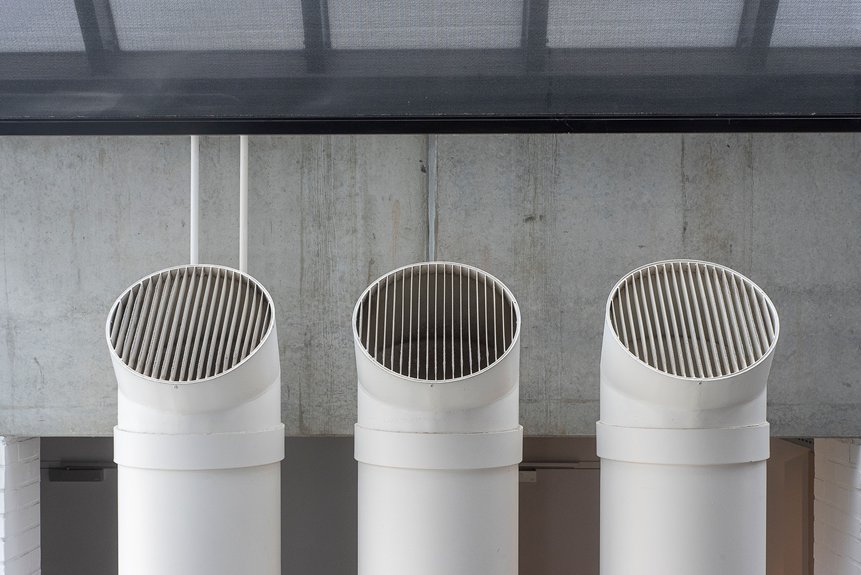
Have you observed the increasing adoption of PIB sheeting in HVAC systems? This weatherproof covering is significantly enhancing the protection of external ducts against moisture and various environmental factors. Its durability not only extends the lifespan of the structure but also optimises energy efficiency.
Determining the appropriate quantity of PIB sheeting for your project is essential. This understanding can be vital, especially when considering installation techniques and steering clear of common challenges.
It’s important to assess the specific requirements of your system and gauge the environmental conditions that may affect performance. By doing so, you can ensure that your project enjoys the full benefits of PIB sheeting.
Let’s delve deeper into the key considerations for your HVAC system and the advantages of embracing this innovative material.
Key Takeaways
The Rise of PIB Sheeting: Estimating Weatherproof Coverings for External Ducts
PIB sheeting significantly enhances the durability of external ducts, offering exceptional moisture resistance against varying weather conditions such as humidity and rain.
Accurate measurement of duct dimensions is crucial for calculating the required amount of PIB sheeting to ensure effective coverage.
It is also essential to consider environmental factors when assessing the suitability of PIB sheeting for particular locations and conditions.
Utilising proper application techniques, including hand or roller methods, optimises coverage and longevity, while preventing common installation errors.
Moreover, PIB sheeting plays a vital role in improving energy efficiency, helping to reduce utility costs by minimising heat loss and preventing moisture intrusion in external duct systems.
What Is PIB Sheeting and Why Is It Important for Ducts?
When you’re looking to improve your ductwork, understanding what PIB sheeting is can make a significant difference. PIB, or polyisobutylene, sheeting serves as a protective layer that boosts the durability and efficiency of your ducts. This material’s flexibility and resistance to various environmental conditions help ensure that your ducts stay in top shape.
When you explore a benefits overview, you’ll see that PIB sheeting not only helps maintain optimal airflow but also helps reduce energy loss—better for your wallet and the environment.
Application methods for PIB sheeting are straightforward; it can be easily adhered to existing duct surfaces or utilized during new installations. By recognizing the importance of PIB sheeting, you’re making a choice that supports the well-being of your HVAC system.
It’s a small step that can lead to long-lasting improvements, inviting you into a community that values efficient, reliable ductwork.
Key Benefits of PIB Sheeting for Weatherproofing
When it comes to weatherproofing, PIB sheeting offers some amazing advantages.
You’ll appreciate its superior moisture resistance, which keeps your structures safe from water damage.
Plus, its improved durability factors ensure that your covering can withstand harsh conditions over time.
Superior Moisture Resistance
PIB sheeting stands out for its superior moisture resistance, making it an ideal choice for weatherproofing applications.
When you’re looking to create effective moisture barriers, PIB sheeting will keep your external ducts safe from the damaging effects of water.
It’s designed to combat various climate impacts, like heavy rain or humidity, ensuring that your systems remain reliable for years to come.
You won’t just be protecting equipment; you’ll be enhancing the overall integrity of your projects with this advanced material.
By choosing PIB sheeting, you join a community that values quality and longevity, and that’s essential for anyone invested in durable solutions.
Make the choice that keeps moisture at bay, and feel confident in your weatherproofing efforts.
Enhanced Durability Factors
The improved durability of PIB sheeting makes it a top choice for weatherproofing in a variety of environments. You’ll appreciate its resilience, which has been proven through rigorous strength testing, ensuring that it can withstand harsh weather conditions.
This sheeting not only protects your ducts but also minimizes your environmental impact by reducing the need for frequent replacements.
- Resistant to UV rays and extreme temperatures
- Strong against punctures and tears
- Maintains performance under various weather conditions
Opting for PIB sheeting creates a lasting solution that benefits both your facilities and the planet. You’re not just choosing durability; you’re investing in a reliable protective measure that contributes positively to your surroundings.
Join others who value sustainability and quality!
The Impact of PIB Sheeting on Energy Efficiency and Longevity
While considering options for weatherproof coverings, it’s essential to recognize how PIB sheeting can significantly improve energy efficiency and extend the lifespan of your structures.
By incorporating PIB sheeting, you’re not just protecting your external ducts; you’re also enhancing insulation performance. This means better thermal regulation, allowing your heating and cooling systems to work less and saving you money in the long run.
Think about all those energy savings that come with lower utility bills. With PIB sheeting, you create a barrier that minimizes heat loss and moisture intrusion, keeping your space comfortable year-round.
This level of protection doesn’t just help your current environment; it prolongs the life of the materials underneath, ensuring they remain in top shape longer.
How Much PIB Sheeting Do You Need? A Practical Guide?
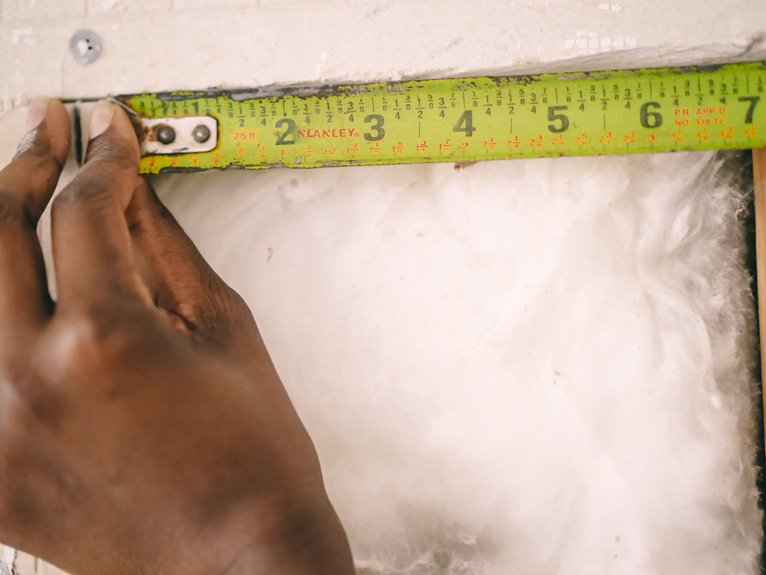
Determining how much PIB sheeting you need involves a careful assessment of your project requirements. To get the right amount, you’ll want to focus on some key factors. Start with solid PIB sheeting calculations to determine area size, then think about your coverage estimation.
Consider these crucial points:
- Duct Dimensions: Measure the length and diameter of the ducts that need covering.
- Environmental Factors: Account for exposure to weather conditions that might increase material needs.
- Overlap Requirements: Factor in any necessary overlaps for effective sealing.
Picking the Best Application Technique for PIB Sheeting
Choosing the right application technique for PIB sheeting can significantly impact your project’s success. You want to ensure strong surface adhesion and longevity, so knowing your options is key. Here are some effective application techniques that might fit your needs:
| Technique | Description | Best for |
|---|---|---|
| Hand Application | Ideal for small areas, requires precision. | Detailed work or tight spaces. |
| Roller Application | Quickly covers larger areas and ensures uniformity. | Expansive surfaces. |
| Spray Application | Great for hard-to-reach areas, provides an even coat. | Complex geometries. |
| Machine Application | Best for high-volume projects, offers speed and efficiency. | Large installations. |
Consider your project’s size and complexity when picking an application technique. Each method has its merits, and making the right choice helps build a solid foundation, reinforcing your sense of belonging in your work community.
Avoid These Common PIB Sheeting Mistakes
When working with PIB sheeting, it’s crucial to avoid common mistakes that can compromise your work.
Improper seaming techniques and inadequate surface preparation can lead to costly issues down the line.
Improper Seaming Techniques
Seaming PIB sheeting correctly is crucial for ensuring a weatherproof seal, yet many people make common mistakes that can lead to future problems.
Improper sealing not only jeopardizes seam integrity but can also result in costly repairs down the line. Here are some pitfalls to avoid:
- Not aligning the edges properly before sealing
- Overlapping seams incorrectly, which can trap moisture
- Skipping the use of compatible adhesives for best results
Inadequate Surface Preparation
Properly preparing the surface before applying PIB sheeting is just as important as the seaming process. If you skip this step, you risk facing issues like inadequate surface leveling, which can lead to poor coating adhesion.
Make sure to clean the area thoroughly, removing dust and debris that could compromise your install. If the surface is uneven, consider using leveling compounds to create a smooth foundation. This not only boosts adhesion but also improves the overall durability of the sheeting.
You’ll find that taking these precautions can save you time and effort in the long run while ensuring a solid, reliable connection. Join others who value quality work by prioritizing surface preparation in your PIB sheeting projects!
Conclusion
In summary, PIB sheeting is a vital solution for weatherproofing external ducts, providing durability and moisture resistance that enhances HVAC efficiency. By accurately assessing your requirements and employing the appropriate application techniques, you can secure enduring protection for your ductwork.
Avoiding common pitfalls will further optimise performance and energy savings. Embracing PIB sheeting not only fortifies the integrity of your ventilation system but also contributes to a more sustainable and efficient building environment.
With its robust properties, PIB sheeting stands out as an essential material in modern construction, safeguarding against the elements while improving the overall functionality of your HVAC systems.