
Estimating Low Temperature Hot Water (LTHW) pipe insulation is not merely about the application of additional material; it significantly impacts your building’s energy efficiency. Key considerations include insulation thickness, pipe dimensions, and the appropriate R-values tailored to your unique requirements.
Pay special attention to joints, bends, and valves, as these components are crucial for effective heat retention. A thorough understanding of these elements is essential in preventing costly errors.
As you embark on this process, what are the vital aspects to monitor? It is imperative to ensure the insulation is fitted correctly and to choose the right materials that conform to local regulations and standards. Additionally, consider the potential for moisture ingress, which can compromise insulation performance.
Regular maintenance and inspection of the insulation can also bolster its efficacy over time. By carefully assessing these factors, you can enhance the overall efficiency of your system and contribute to reduced energy consumption.
In summary, thorough planning and attention to detail are essential when estimating LTHW pipe insulation. Your focus on quality and accuracy will ultimately yield both cost savings and improved comfort within your building.
Key Takeaways
- Accurately measure pipe dimensions and insulation thickness to ensure comprehensive coverage and optimal efficiency.
- Select insulation materials with high thermal resistance values to minimise heat loss in commercial premises.
- Evaluate environmental factors such as humidity and temperature to effectively tailor insulation estimates.
- Include all components, including joints, bends, and valves, in the estimation process to prevent energy loss.
- Conduct regular inspections and maintenance of insulation to monitor its condition and efficiency over time.
Why Proper LTHW Insulation Is Crucial for Energy Savings
When you think about energy efficiency, it’s easy to overlook something as simple as pipe insulation, but proper low temperature hot water (LTHW) insulation plays a crucial role in energy savings.
Effective insulation materials not only maintain the desired temperature of the water, but also minimize heat loss throughout your system. This means you won’t waste energy heating water that cools down too quickly.
Critical Considerations for Accurate LTHW Insulation Estimates
Accurate estimates for low temperature hot water (LTHW) insulation are essential to ensuring your system operates efficiently. To achieve this, consider the specific installation techniques to be used. Different methods can influence how well your insulation performs, so it’s vital to choose techniques that align with your building’s unique needs.
Additionally, the type of insulation materials you select plays a significant role in overall effectiveness. For instance, materials with higher R-values can significantly reduce heat loss, but they may also vary in cost and availability.
Don’t forget to assess environmental factors like humidity and temperature fluctuations that can impact insulation performance too. By focusing on these critical considerations, you can make informed decisions that promote energy efficiency, lower costs, and improve the comfort of your space.
In the end, you’re not just investing in insulation but also in a more sustainable future for everyone.
Measuring LTHW Insulation Accurately: Techniques and Tips
Measuring the insulation for your low temperature hot water (LTHW) system requires precision and the right techniques. One effective method is thermographic scanning. This process uses infrared cameras to detect temperature variations on your pipes, allowing you to evaluate insulation performance. It’s a great way to identify areas that may need attention.
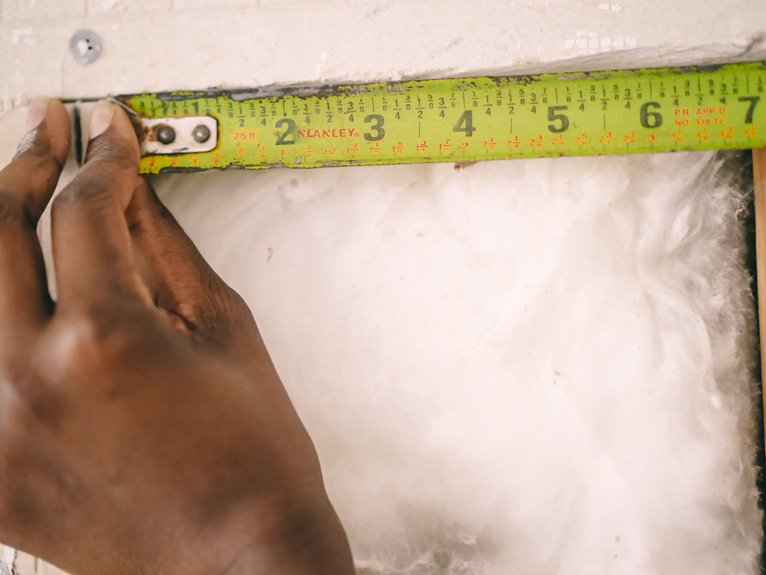
You’ll also want to measure the insulation thickness accurately. Use a caliper or tape measure to gauge the insulation material at multiple points along the pipe. This ensures you capture any inconsistencies, which could affect energy efficiency.
Don’t forget to consider the ambient conditions, as they can impact your measurements. When you combine accurate thickness measurements with thermographic scanning, you’ll boost your confidence in the insulation’s effectiveness.
Common Mistakes in Estimating LTHW Pipe Insulation
One of the biggest pitfalls in estimating LTHW pipe insulation is overlooking the details. Many people focus on general measurements and forget that accurate pipe sizing is crucial for effective insulation. If you miscalculate the diameter or length, you could end up with insufficient coverage, which defeats the purpose of insulation.
Another common mistake involves choosing the wrong insulation materials. Not all materials are created equal, and selecting the wrong type can lead to energy loss and increased costs. Don’t just rely on standard practices; consider factors like the local climate and building usage.
Additionally, failing to account for joints, bends, and valves can throw off your entire estimate. Always take these elements into consideration, ensuring a comprehensive approach.
LTHW Insulation: How It Cuts Costs
When you invest in proper insulation for your low-temperature hot water pipes, you’re not just enhancing efficiency—you’re also slashing your energy costs. By using high-quality insulation materials, you minimize heat loss, allowing your system to maintain consistent temperatures without overworking. This directly translates to lower energy bills, which is something everyone can appreciate.
Imagine being part of a community committed to sustainability and cost savings.
You’ll likely find that, with well-insulated pipes, your building operates more efficiently, and the reduced energy consumption reflects a responsible choice for both your budget and the environment.
Moreover, investing in LTHW insulation can lead to longer-lasting systems, reducing maintenance costs and the need for future repairs.
Best Practices for Maintaining Insulation Over Time
To keep your pipe insulation effective over time, you’ll want to establish regular inspection protocols.
This way, you can catch any issues early and make necessary repairs.
Additionally, knowing some maintenance tips will help ensure your insulation continues to perform its best.
Regular Inspection Protocols
Regular inspections of your hot water pipe insulation can significantly extend its lifespan and efficiency. By scheduling regular audits, you’ll catch any signs of insulation deterioration early on.
Look for visible wear, damage, or moisture, as these can signal bigger issues ahead. Involve your team in this process, fostering a sense of ownership and responsibility for maintaining the building’s systems.
Document your findings during each inspection, allowing for clear tracking of conditions over time. Don’t forget to compare notes with colleagues—sharing insights creates a communal approach to upkeep that benefits everyone.
Repair and Maintenance Tips
Insulation maintenance goes hand-in-hand with your inspection efforts. Regularly check your insulation for signs of wear or damage. If you spot issues, like tears or gaps, act quickly to repair them using appropriate insulation materials.
Remember, ensuring that your pipe insulation remains intact helps your system run efficiently and saves energy. Additionally, pay attention to the installation techniques. Properly installed insulation should fit snugly without any compressions.
Don’t underestimate the importance of sealing any seams or joints, as this can prevent heat loss. Even small maintenance tasks can contribute significantly to the lifespan of your insulation.
When and Why to Upgrade Your Insulation?
Many homeowners underestimate the importance of upgrading their hot water pipe insulation. When you notice significant temperature variations in your hot water supply or feel drafts near your pipes, it’s time to reassess your insulation.
Older insulation materials can become worn out over time, no longer providing the efficient barrier you need against energy loss.
Upgrading your insulation isn’t just about comfort; it can significantly lower your energy bills and improve the overall efficiency of your heating system. Modern insulation materials are designed to handle temperature fluctuations better, helping your system maintain consistent temperatures and reducing wear and tear.
If your insulation is outdated or damaged, don’t hesitate. Investing in new insulation won’t only enhance your home’s energy performance but also create a cozier, more welcoming environment.
After all, your home deserves to feel just right, and proper insulation plays a vital role in that comfort.
Conclusion
In summary, appropriate insulation for low temperature hot water pipes is vital for maximising energy efficiency and minimising expenses in commercial buildings. By taking precise measurements and opting for high-quality materials, you can significantly reduce heat loss.
Regular maintenance is crucial, and it’s advisable to consider upgrading your insulation when necessary to ensure optimal system performance.
Focusing on these key aspects not only enhances your building’s sustainability, but also contributes to long-term financial savings and improved comfort for occupants.
Prioritising effective insulation can lead to a more energy-efficient environment and a positive impact on your overall operational costs.