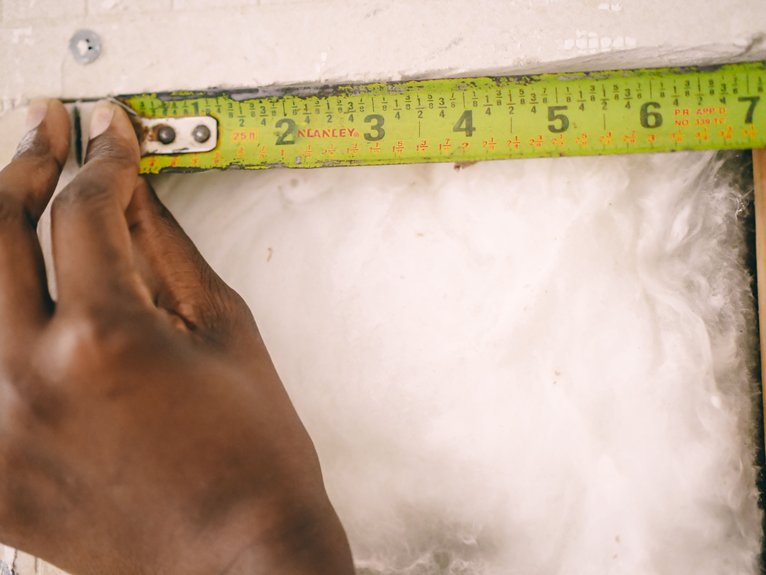


When estimating the quantity of elastomeric nitrile rubber, commonly known as Armaflex, for refrigeration pipework, it’s essential to concentrate on several key elements. You will need to take into account factors such as pipe diameter, insulation thickness, and environmental conditions.
These elements can significantly influence system efficiency and energy conservation. By understanding these factors, you can ensure that your insulation not only meets performance standards but also complies with relevant regulations.
So, what specific measurements and calculations are necessary to ensure accuracy in your estimation? Consider the following aspects:
- Pipe Diameter: The diameter of the pipes will determine the required size of the insulation.
- Insulation Thickness: This aspect is crucial for achieving optimal energy savings and protecting the system from temperature fluctuations.
- Environmental Conditions: Factors such as humidity and ambient temperature can affect the type and thickness of insulation needed.
By paying close attention to these considerations, you can effectively assess your requirements for elastomeric nitrile rubber insulation, leading to a more efficient refrigeration system.
Key Takeaways
- Precisely measure pipe diameter and layout to determine the correct quantity of Armaflex insulation required for refrigeration systems.
- Choose the suitable insulation thickness based on the type of refrigerant used and the surrounding environmental conditions to guarantee optimal performance.
- Take into account local climate factors, including humidity and temperature variations, which may necessitate supplementary insulation layers for enhanced efficiency.
- Employ bulk purchasing strategies and compare prices from local suppliers to achieve cost savings on Armaflex insulation.
- Ensure that the insulation material conforms to industry standards for quality and durability, safeguarding refrigeration systems and extending their lifespan.
The Benefits of Using Armaflex Insulation for Refrigeration Pipework
When it comes to refrigeration pipework, choosing the right insulation is crucial for efficiency. You’ll find that Armaflex insulation stands out due to its remarkable durability and temperature resistance. Using this material not only helps prevent energy loss but also keeps your system running smoothly, giving you peace of mind. No one wants the stress of higher energy bills or equipment failure.
With Armaflex, you get an insulation solution that can withstand extreme conditions while maintaining its integrity. You’ll appreciate how easy it’s to install, making your life simpler while ensuring long-lasting performance.
Plus, when you use Armaflex, you’re joining a community that values reliability and effectiveness. Your decision to go with this high-quality insulation reflects your commitment to doing things right, fostering a sense of belonging to a group that prioritizes excellence in refrigeration systems.
Essential Factors for Estimating Armaflex Insulation Quantity
When estimating the quantity of Armaflex insulation needed for your refrigeration pipework, several key factors come into play.
You’ll need to consider the pipe diameter, the specific conditions of the installation environment, and the required thickness of the insulation.
Each of these elements plays a crucial role in ensuring optimal performance and energy efficiency.
Pipe Diameter Considerations
Pipe diameter plays a crucial role in estimating the quantity of Armaflex insulation needed for refrigeration pipework.
When you’re sizing pipes, remember that larger diameters require more insulation coverage to ensure efficiency. For instance, if you have a thicker pipe, you’ll need a corresponding increase in insulation thickness to prevent energy loss and condensation issues.
It’s essential to measure your pipes accurately, as even small discrepancies can lead to inadequate insulation, impacting system performance. By focusing on precise pipe sizing, you’ll not only optimize insulation quantity but also prolong the longevity of your refrigeration system.
Installation Environment Conditions
While the insulation’s effectiveness hinges on proper installation, the surrounding environment also significantly influences the quantity of Armaflex insulation you’ll need. Understanding these essential factors creates a more efficient insulation process for everyone involved.
- Local Climate: Consider your area’s weather patterns—extreme climates can require more insulation to maintain efficiency.
- Humidity Levels: High humidity can lead to condensation, so you might need additional layers to prevent moisture-related issues.
- Temperature Fluctuations: Significant swings in temperature necessitate careful insulation planning to combat heat transfer.
Also, remember to follow relevant environmental regulations and account for site accessibility and your pipe layout. This approach helps ensure a better, more effective insulation solution for your refrigeration pipework needs.
Insulation Thickness Requirements
Determining the right insulation thickness is vital for maximizing the performance of Armaflex insulation in refrigeration pipework. You want to ensure that the thickness you choose effectively reduces thermal conductivity while offering excellent moisture resistance.
Generally, thicker insulation leads to less heat loss, which translates into energy savings and improved efficiency. When assessing your insulation needs, consider not only the temperature differences but also the specific requirements of the installation environment.
Familiarizing yourself with local building codes can also help you make informed decisions that meet safety standards. Remember, insulating properly fosters a sense of community and responsibility in maintaining shared resources, so you’re not just benefiting yourself but those around you too.
How to Measure Pipe Diameter for Accurate Insulation Needs
To ensure your insulation fits perfectly, you need to measure the pipe diameter accurately.
Start by gathering the right measuring tools and using standard techniques for measurement.
With precise calculation methods, you can determine the exact size you need for effective insulation.
Measuring Tools Required
Accurate measurement of pipe diameter is crucial for ensuring proper insulation in refrigeration systems, and you’ll need the right tools to get it right.
Here’s a quick tools overview that’ll help you with your measuring techniques:
- Caliper: This tool gives you precise measurements on both outer and inner diameters, ensuring you get an accurate reading.
- Tape Measure: Handy for larger pipes, a flexible tape measure is essential when you’re working in tight spaces.
- Pipe Diameter Gauge: Ideal for quick checks, this tool can save you time and ensure you’re on the right track.
With these tools in hand, measuring accurately becomes straightforward, making it easier for you to get the right insulation for your refrigeration needs.
Standard Pipe Measurement Techniques
Measuring the diameter of pipes is a fundamental step in ensuring that your refrigeration system is properly insulated. Accurate measurements help achieve optimal insulation longevity and lower thermal conductivity, enhancing the overall efficiency of your system.
To measure, wrap a flexible measuring tape around the pipe, ensuring it’s snug but not too tight. Record the circumference, then use the formula to calculate the diameter. If you’re using calipers, simply align them across the widest part of the pipe for a precise reading.
Precise Diameter Calculation Methods
Precision in measuring pipe diameter is essential for ensuring effective insulation tailored to your refrigeration needs. You’ll want to adopt reliable calculation techniques and keep specific diameter considerations in mind.
Here’s how to measure with accuracy:
- Use a Caliper: A digital caliper provides precise measurements, minimizing errors in diameter readings.
- Check for Deformities: Ensure the pipe’s surface is free of dents and irregularities, which can skew your measurements.
- Measure at Multiple Points: Pipes can expand or contract, so measuring at different locations gives a more comprehensive understanding of the diameter.
Recommended Insulation Thickness for Different Refrigerants?
When it comes to choosing the right insulation thickness for refrigeration pipework, have you considered how different refrigerants impact your selection? The type of refrigerant you use can greatly influence thermal efficiency, so understanding the appropriate insulation properties is crucial to your system’s performance.
Here’s a quick reference table to help you:
| Refrigerant Type | Recommended Thickness (inches) | Insulation Properties |
|---|---|---|
| R-134a | 1.5 | Moderate thermal conductivity |
| R-404A | 2.0 | High thermal stability |
| R-410A | 1.5 | Good resistance to moisture |
| R-22 | 2.0 | Effective against condensation |
How to Calculate Armaflex Needs for Different Environments?
To effectively calculate your Armaflex needs for various environments, you should consider factors such as temperature fluctuations, humidity levels, and the specific application of the insulation.
Each of these environmental factors plays a crucial role in determining the right type and thickness of insulation. Here’s a quick guide to help you:
- Assess Temperature Ranges: Identify the temperature extremes where your refrigeration pipework will operate. This helps you select insulation that can handle both high and low temperatures effectively.
- Evaluate Humidity Levels: High humidity can impact the insulation performance. Make sure your choice can withstand moisture to prevent mold or other damages.
- Consider Application Type: Different applications may require unique insulation properties, so think about where and how your Armaflex will be used.
Smart Ways to Save on Armaflex Insulation Costs
Finding ways to save on Armaflex insulation costs doesn’t mean compromising on quality. You can achieve cost reduction through smart strategies that don’t sacrifice effectiveness. One effective method is bulk purchasing—buying in larger quantities often secures discounts from suppliers.
Gathering with others in your community or industry can help you pool resources and negotiate better deals together, creating a sense of belonging while saving money.
Another smart approach is to compare prices among local suppliers, ensuring you’re getting the best bang for your buck. Don’t forget about seasonal sales or special promotions either; timing your purchases can lead to unexpected savings.
Lastly, consider evaluating your insulation needs to avoid buying more than you require. By using these strategies, you’ll find that it’s entirely possible to keep your costs down while still ensuring your refrigeration systems are well-protected with quality Armaflex insulation.
Conclusion
In summary, accurately estimating the quantity of Armaflex insulation for refrigeration pipework is vital for ensuring system efficiency and longevity. By taking into account factors such as pipe diameter, insulation thickness, and environmental conditions, you can make well-informed decisions.
Precise measurements and calculations not only enhance performance but can also lead to significant savings over time. Investing time in this process guarantees that your project meets compliance standards and operates effectively, providing reliable insulation for your refrigeration requirements.
Ensuring your refrigeration systems are well insulated with appropriate materials like Armaflex is crucial in minimising energy loss and improving overall productivity. Effective insulation plays a key role in reducing operating costs and increasing the lifespan of your equipment.
By focusing on these important aspects, you contribute to a more sustainable operation while maximising the effectiveness of your refrigeration systems.