

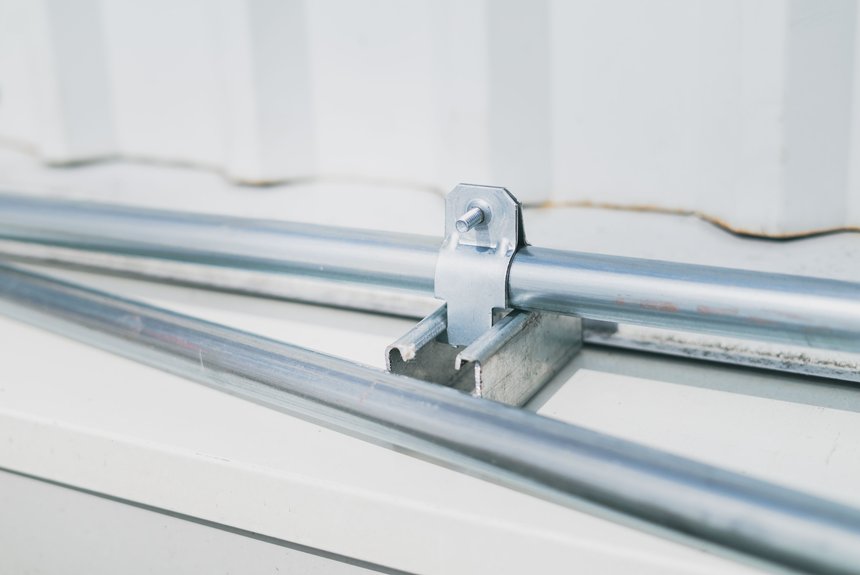
When factoring in pipe support inserts such as phenolic blocks, it is essential to comprehend their role within your piping system. These blocks aid in the even distribution of loads and absorb stresses, which can help prevent potential future issues.
Careful assessment of your piping layout is necessary to identify optimal placements for these supports, ensuring maximum efficiency.
Common pitfalls in accounting for these inserts often include underestimating their importance or miscalculating the required quantity. By being aware of these issues, you can more effectively incorporate phenolic blocks into your project.
Understanding how to properly utilise pipe support inserts will enhance the durability and performance of your piping system, ensuring longevity and reliability.
Key Takeaways
- Assess the piping layout to identify key load distribution points for effective placement of phenolic blocks.
- Consider the specific dimensions and weight of pipes to ensure accurate support calculations in your take-off.
- Strategically position phenolic blocks to absorb stresses and evenly distribute loads throughout the piping system.
- Collaborate with the project team for input on best practices, facilitating informed decision-making regarding the utilisation of phenolic blocks.
- Take into account costs associated with materials, transportation, and installation to ensure compliance with the project budget.
How Phenolic Blocks Support Piping Systems
Phenolic blocks play a crucial role in supporting piping systems. You mightn’t realize it, but these blocks provide essential thermal insulation while maintaining structural integrity. By using phenolic blocks, you ensure that your piping system remains stable, preventing any unwanted movement or damage.
When you factor in the thermal insulation properties, you’re not just enhancing performance; you’re also contributing to energy efficiency. This means lower operational costs and a reduced carbon footprint, which everyone can appreciate.
Their lightweight design makes installation easier, and it helps builders like you feel more connected to both the materials you use and the environment.
Understanding how phenolic blocks support your piping systems is vital. When you’re well-informed, you can work confidently, knowing you’re using a solution that combines durability and efficiency.
Common Mistakes to Avoid in Accounting for Phenolic Blocks
When working with phenolic blocks, it’s important to accurately account for their properties and costs to avoid potential pitfalls. Common mistakes often stem from installation errors and calculation pitfalls that arise when you make incorrect design assumptions.
For instance, not considering weight distribution can lead to inadequate support spacing, which affects the overall stability of your piping system.
Make sure to check for material compatibility; using the wrong materials can compromise performance. Additionally, keep thermal expansion in mind, especially under varying field conditions. Load variations might also require adjustments that aren’t factored into your initial estimates.
Specification inconsistencies often slip through the cracks, creating challenges during installation.
Key Factors for Phenolic Block Calculations
When calculating phenolic blocks, you need to consider several key factors.
Start with the material specifications and properties to ensure they meet your project’s requirements.
Next, assess the load-bearing capacity and follow installation guidelines to guarantee a successful setup.
Material Specifications and Properties
Understanding material specifications and properties is crucial for accurate calculations in pipe support inserts, particularly with phenolic blocks. These materials play an essential role in ensuring reliable performance.
Here are key factors you should consider:
- Material Durability: Ensure the phenolic blocks can withstand environmental conditions and stresses.
- Thermal Insulation: Check the thermal resistance properties to prevent heat loss and protect against temperature variations.
- Density: Evaluate the density of phenolic blocks, as it affects both strength and weight.
- Moisture Resistance: Confirm how these blocks handle moisture, as this impacts long-term performance.
Load-Bearing Capacity Assessment
To ensure the effectiveness of your pipe support inserts, you need to assess the load-bearing capacity of phenolic blocks accurately. Start with a thorough weight analysis to determine how much load each phenolic block will support. Understanding this weight is essential for achieving optimal load distribution across your pipe system.
Make sure to consider the specific use case of your installations, as different applications will place varying demands on these blocks. Take into account factors such as pipe size, environmental conditions, and any additional equipment involved.
Installation Guidelines and Techniques
While you’re preparing to install phenolic blocks, it’s crucial to follow specific guidelines and techniques that ensure proper placement and performance.
Mastering effective installation techniques can make a huge difference in your project’s success. Here are four key tips to keep in mind:
- Inspect Materials: Ensure your phenolic blocks are free of defects before handling.
- Proper Placement: Position the blocks according to the load requirements for optimal support.
- Secure Fastening: Use appropriate anchor and fastening methods to ensure stability.
- Follow Safety Protocols: Always adhere to safety standards during installation and material handling.
Best Practices for Including Phenolic Blocks in Piping Takeoffs
Including phenolic blocks in your piping takeoffs can greatly bolster the overall support system, especially when managing thermal expansion and vibrations. To make the most of these inserts, you should first consider your design considerations carefully. Assess your piping layout and determine where load distribution is critical.
Place phenolic blocks at strategic points to absorb stresses and distribute the load evenly across your support system.
Next, don’t forget about the specific dimensions and weight of the pipes when including phenolic blocks in your takeoffs. This’ll ensure you’re calculating the right quantities.
Finally, collaborate with your team during the takeoff process; sharing insights can lead to better decisions. By following these best practices, you strengthen your piping system’s efficiency and reliability, fostering a sense of community within your workgroup.
Embrace these methods, and you’ll create a smoother, more efficient process for everyone involved.
How to Measure Phenolic Block Placement Correctly?
Proper placement of phenolic blocks is crucial to ensuring the integrity of your piping system.
To achieve accurate placement, use the right measurement tools and effective placement techniques. Here’s how to get it right:
- Establish Reference Points: Use existing structures to determine where each phenolic block should go.
- Utilize Measuring Tools: Employ tape measures, laser levels, or calipers to ensure precision in your measurements.
- Mark Locations: Clearly mark the spot for each block on your piping system to avoid confusion during installation.
- Double-Check Placement: Always verify the positioning before securing the blocks, ensuring they align perfectly.
Cost Considerations for Phenolic Block Usage
When considering phenolic blocks, it’s important to analyze the material costs upfront.
You’ll also want to factor in installation expenses and how these elements contribute to the overall value over time.
Understanding these costs can help you make a well-informed decision that suits your project’s budget.
Material Cost Analysis
Understanding the material costs associated with phenolic blocks is essential for smart project budgeting. Accurately factoring these into your cost estimation and budget allocations can help you avoid overspending.
Here’s what to consider:
- Material Pricing: Research current market rates for phenolic blocks.
- Quantity: Determine how many blocks you need based on your project’s requirements.
- Supplier Selection: Choose reliable suppliers who offer competitive pricing without sacrificing quality.
- Transportation Costs: Don’t forget to factor in shipping or delivery charges to your overall costs.
Installation Expenses Overview
While keeping material costs in mind, it’s equally important to account for installation expenses when using phenolic blocks. Installation challenges can arise, from proper alignment to ensuring secure fastening, which may impact labor costs.
When planning your budget, don’t overlook these factors. It’s vital to include potential expenses related to additional tools or equipment needed for correct installation.
Effective expense tracking during the installation phase will help you stay within budget. You’ll want to record any unexpected costs as they arise.
Long-Term Value Assessment
Evaluating the long-term value of phenolic blocks involves a careful consideration of their durability, maintenance requirements, and overall performance.
Here’s why you should think about the lifecycle benefits and cost savings:
- Durability: Phenolic blocks resist wear and tear, lasting much longer than traditional materials.
- Reduced Maintenance: Their low-maintenance nature means you won’t constantly need replacements or repairs.
- Energy Efficiency: These blocks can contribute to a more efficient system, potentially lowering energy costs.
- Long-Term Cost Savings: Initial investment is offset by decreased upkeep, providing financial relief over time.
Communicating Phenolic Block Needs With Your Team
To effectively communicate your phenolic block needs with your team, it’s important to clearly outline your requirements and expectations. Strong team collaboration is vital, so make sure everyone’s on the same page. Start by sharing details about the quantity, size, and specifications needed for the blocks. Encourage open dialogue to ensure all voices are heard.
Here’s a simple table to help clarify your communication:
| Requirement | Details | Notes |
|---|---|---|
| Quantity | How many blocks are needed? | Consider project size |
| Size | What dimensions are needed? | Check existing specs |
| Material Specs | Any specific material types? | Preference for durability |
| Timeline | When do you need them? | Align with project deadlines |
Using effective communication and creating space for discussion will strengthen your team’s connection and ensure success.
Conclusion
Incorporating phenolic blocks into your piping takeoff is essential for ensuring load distribution and system integrity. By avoiding common pitfalls and adhering to best practices, you can enhance the efficiency and reliability of your piping systems.
Accurate measurement of placements is paramount, alongside effective communication with your team.
By giving careful consideration to costs and material specifications, you will establish a solid foundation for your project, ultimately leading to a more durable and well-supported piping installation.
Remember, the thoughtful integration of phenolic blocks not only contributes to the structural stability of your systems but also optimises overall performance.