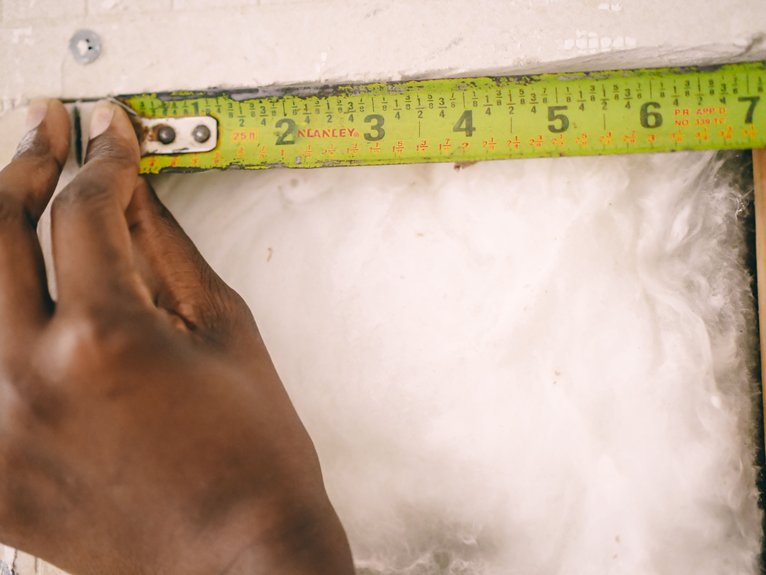

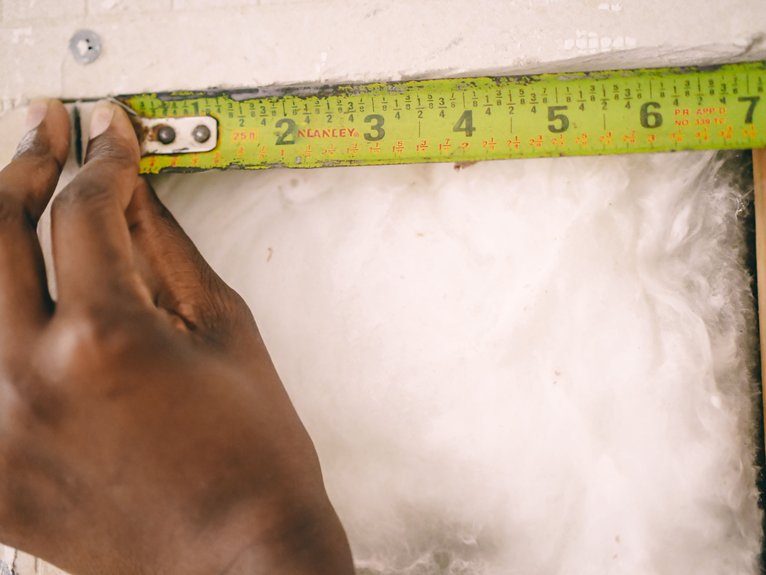
When it comes to insulation takeoffs, understanding the difference between linear metres and square metres is essential. Linear metres are used to measure the lengths of insulation batts, whereas square metres are employed to assess the surface area of walls and ceilings. This distinction is not merely a technicality; it has significant implications for budgeting and material allocation.
Applying these units correctly can help minimise errors and reduce costs. However, despite the straightforward nature of these measurements, there are common pitfalls to be aware of.
For instance, some may mistakenly convert between the two units without considering the context of their application. Ensuring precise calculations when estimating material requirements is vital, as miscalculations can lead to overspending or inadequate insulation coverage.
Additionally, it is important to be clear about the type of insulation being used, as different materials may require different methods of measurement. Familiarity with the industry standards for insulation can aid in making informed decisions.
In summary, a thorough understanding of the differences between linear metres and square metres is crucial for effective insulation takeoffs. Acquiring this knowledge not only aids in efficient project planning but also contributes to cost-effective and successful outcomes in insulation projects.
Key Takeaways
Linear metres are used to measure the length of insulation batts, whilst square metres evaluate the total wall or ceiling surface area necessary for insulation requirements.
A clear distinction between linear and square metres is vital for accurate material estimates and effective budgeting within insulation projects.
Standardising these units promotes smooth communication among teams and significantly reduces costly errors in construction related to insulation takeoffs.
Accurate measurements are essential to prevent waste, enhance energy efficiency, and support sustainable practices in insulation undertakings.
Double-checking manufacturer specifications alongside measurement calculations is crucial for minimising errors and ensuring a reliable insulation foundation.
What Are Linear Metres and Why Do They Matter?
When tackling home improvement projects or planning spaces, understanding linear metres is essential. This unit measures length, which is crucial for accurate project estimation.
By grasping the linear measurement significance, you can ensure that you order the right amount of materials, like trim or flooring.
Getting this right impacts your installation process significantly. If you underestimate, you could face delays and extra costs. Conversely, overestimating can lead to wasted materials, which isn’t just frustrating—it can also feel wasteful.
Knowing how to calculate and use linear metres helps you feel more in control of your project and fosters a sense of accomplishment within your community of fellow DIYers.
You’ll find that mastering linear measurement isn’t just about numbers; it’s a practical skill that improves your overall home improvement journey.
Understanding Square Metres in Insulation: The Importance of Surface Area
When you’re insulating a space, understanding surface area is crucial.
It helps you calculate the right amount of insulation needed for effective temperature control.
If you get this measurement wrong, it can lead to wasted materials and higher energy costs.
Defining Surface Area Importance
Understanding the significance of surface area is crucial, especially when it comes to insulating your home effectively. Knowing how surface area impacts insulation efficiency can make all the difference in achieving a cozy space. Let’s break it down:
| Property | Description | Impact on Insulation |
|---|---|---|
| Wall Area | Square metres of walls | High impact, needs more insulation |
| Roof Area | Square metres of the roof | Major heat loss source |
| Floor Area | Square metres of floors | Affects heating costs |
Calculating Insulation Requirements Accurately
Accurate calculations of insulation requirements hinge on your ability to measure square metres effectively. Understanding the difference between insulation types and how they relate to your project can make all the difference.
When you account for square metres, you can minimize issues like thermal bridging, where heat escapes through poorly insulated areas. Make sure you assess surface areas thoroughly—this includes walls, ceilings, and floors.
By doing so, you’ll know exactly how much insulation you need, resulting in better energy efficiency and comfort in your space. Don’t underestimate the importance of calculating these measurements correctly; it’s crucial for achieving a snug fit and ensuring long-lasting results that benefit everyone involved.
Together, we can make our environments more energy-efficient and welcoming!
Using Linear and Square Metres in Insulation Takeoffs
Insulation takeoffs require a clear distinction between linear metres and square metres to ensure accurate material estimates. Understanding the difference helps you create precise project plans and fosters a sense of community among professionals who value accuracy.
Linear metre applications come into play for items like insulation batts, where you measure the length needed to cover specific areas. When handled correctly, this leads to better budgeting and resource management.
Square metre advantages shine through when calculating total wall or ceiling surfaces that need insulation. By providing a broad scope, you ensure enough material is available for optimal coverage, enhancing energy efficiency.
Why Do Consistent Measurement Units Matter in Construction?
Consistency in measurement units is crucial for successful construction projects, as it helps keep everything on the same page. Adopting a standardized approach fosters better communication among team members and reduces the risk of costly errors. By ensuring that everyone understands and uses the same measurement units, you can simplify unit conversion, making collaboration smoother and more efficient.
| Measurement Type | Linear Metres | Square Metres |
|---|---|---|
| Insulation Needs | Yes | Yes |
| Cost Estimation | Yes | Yes |
| Resource Planning | Yes | Yes |
| Project Scheduling | Yes | Yes |
| Quality Control | Yes | Yes |
With consistent measurement standardization, you can trust that your project’s integrity remains intact, ensuring that you stay on track and within budget. In construction, accuracy breeds confidence—let’s work together to maintain it!
Common Measurement Errors to Avoid in Insulation
When you’re measuring for insulation, it’s easy to make mistakes that can lead to wasted materials and extra costs. One common error is miscalculating the coverage area, which can throw off your entire project.
Also, don’t forget to account for material thickness, as it’s crucial for determining the right amount you need.
Miscalculating Coverage Area
Calculating the coverage area correctly is crucial, as even small errors can lead to significant issues in insulation projects.
You might encounter measurement confusion when estimating coverage; it’s easy to make assumptions that can skew results. Double-check your measurements and ensure you’re using the right units consistently.
For accurate coverage estimation, consider the shape of the area and any unique features that might affect the total square metres needed. Miscalculating even by a few inches can create gaps in insulation or overspend on materials.
By being meticulous and using standardized methods, you’ll build a more reliable foundation for your insulation work, fostering a sense of confidence and belonging in your projects.
Let’s get it right together!
Neglecting Material Thickness
Have you ever considered how material thickness can impact your insulation calculations? It’s a crucial factor that’s often overlooked.
When you neglect insulation thickness, you’re likely underestimating the material density required for optimal performance. Each type of insulation has a specific thickness that directly influences its effectiveness. If you don’t account for this, your insulation may fail to provide the intended energy savings, leaving you feeling frustrated and unprepared.
To avoid this common error, always double-check the manufacturer’s specifications related to insulation thickness.
Make sure to incorporate this information into your planning and calculations. By doing this, you’ll ensure you belong to a community of professionals who value accuracy and thorough understanding in achieving the best results for your insulation projects.
Best Practices for Precise Insulation Takeoffs
Accurate insulation takeoffs are crucial for cost-effective project planning and execution. To ensure your takeoffs are spot on, start by using reliable measuring techniques. This means employing tools like laser measures or using measuring tapes for precision. Don’t forget to double-check the dimensions—mistakes can lead to costly oversights.
When you’re estimating materials, choose estimation methods that reflect the unique characteristics of your project. Whether working with linear metres or square metres, adapt your approach to the specifics at hand.
For instance, consider the shape and complexity of the area you’re insulating, and appropriate factors like curves or obstructions. Collaborate with your team to share insights and clarify uncertainties, so everyone feels involved.
This won’t only improve accuracy but strengthen camaraderie among the team. By focusing on these best practices, you’re building a solid foundation for your insulation project, ensuring you all succeed together.
Boosting Efficiency and Reducing Waste in Insulation Projects
Streamlining your insulation projects can significantly boost efficiency while cutting down on waste. By adopting effective sustainability practices, you’ll not only protect the planet but also improve your team’s performance.
Start by setting clear project timelines, ensuring that everyone knows their role and deadlines. This keeps everyone on track and avoids unnecessary delays.
Using standardized units, like linear metres for fabrications, minimizes confusion and material waste. When your team understands how to align measurements with specific insulation types, you’re less likely to end up with leftover materials that can’t be used.
Regularly reviewing your processes allows for tweaks that further improve efficiency. Don’t hesitate to engage your team in discussions about waste reduction; their insights may lead to innovative solutions.
Ultimately, fostering a culture of efficiency and sustainability helps your projects succeed while creating a sense of belonging among your team.
Together, you’re making a positive impact!
Conclusion
In conclusion, standardising insulation takeoff units between linear metres and square metres is essential for accurate project estimates. By grasping the differences, you can ensure more effective material allocation and budgeting, thereby reducing errors and waste.
Embracing consistent measurement practices not only enhances efficiency but also contributes to energy conservation within your projects. Ultimately, clear communication and precise measurements are key to successful insulation initiatives, allowing for time and resource savings while achieving optimal outcomes.
Attention to these details can significantly elevate your project’s success.