
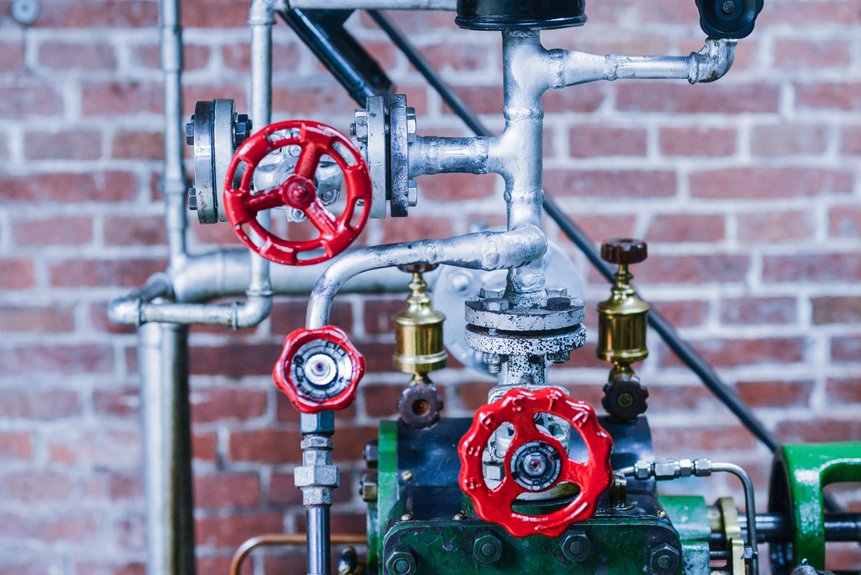
Measuring complex valve and flange quantities in pipework takeoffs is vital for ensuring accuracy and efficiency in projects. However, professionals often encounter challenges such as inconsistent measurements and potential discrepancies. To effectively address these issues, it is important to utilise the appropriate tools and techniques.
A systematic approach that fuses technology with collaborative efforts can significantly enhance outcomes and ensure precise results. Understanding the essential steps involved is key to achieving success in this area.
When assessing best practices, consider the importance of clear communication within the team and the implementation of proficient measurement methods. Tools such as digital measurement devices and advanced software can streamline the process, resulting in improved accuracy.
Regular training and updates on industry standards will further bolster the competencies of your team. By prioritising these strategies, you can achieve reliable and consistent measurements for valves and flanges within your pipework takeoffs.
Key Takeaways
- Utilise digital callipers and laser distance measurers for precise and efficient measurements of valves and flanges in complex pipework installations.
- Standardise measurement techniques across teams to minimise discrepancies and enhance reliability in pipework takeoffs.
- Collaborate with colleagues for group reviews to verify measurements, thereby boosting accuracy and fostering a supportive community around measurement practices.
- Implement data validation processes to confirm measurement accuracy against historical records, promoting robust and consistent practices.
- Document all measurements and changes comprehensively to ensure transparency and adaptability in project budgeting and planning.
Understanding the Importance of Accurate Valve and Flange Measurements
When you’re working with valves and flanges, getting accurate measurements is crucial for ensuring proper functionality and compatibility. A small error can lead to significant issues down the line, affecting both safety and performance.
Understanding measurement accuracy can really make a difference in your projects. You’ll want to apply reliable measurement techniques to get precise results every time.
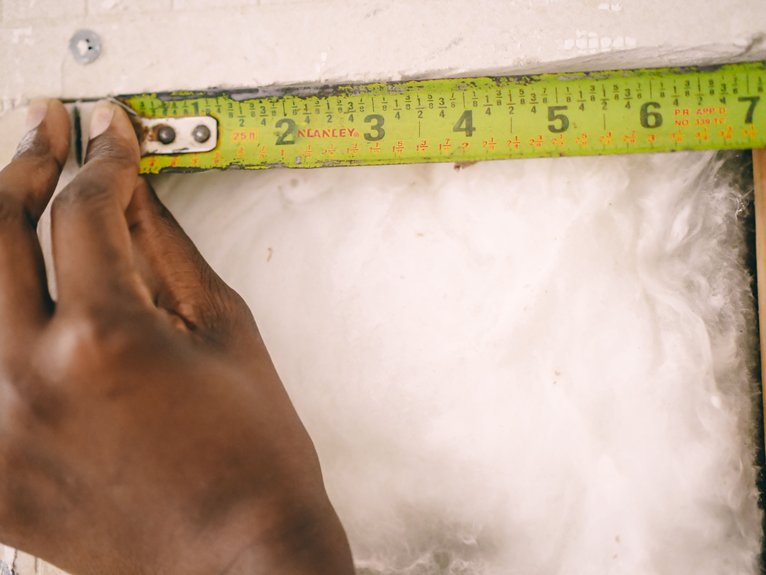
Using calipers and measurement tapes can help you achieve that accuracy. Take time to familiarize yourself with these tools so you can measure flange diameters and valve dimensions correctly.
Don’t hesitate to double-check your measurements; it’s a practice that builds trust and reliability within your team. Remember, when everyone’s on the same page with measurements, it strengthens collaboration and ensures success.
Accurate measurements create a solid foundation for your work, fostering a sense of belonging with your colleagues in the field.
Common Challenges in Valve and Flange Measurements
While measuring valves and flanges might seem straightforward, various challenges can complicate the process significantly. You’ll often face measurement discrepancies, which can arise from different measuring techniques or human error.
It’s crucial to remember that even the slightest mistake can lead to costly issues down the line.
Standardization challenges are another common hurdle. Different teams or manufacturers may use varying specifications, leading to confusion in your measurements. If everyone isn’t on the same page, you risk inconsistency that can affect the entire project.
Additionally, the complexity of valve and flange types means you need to know their specific characteristics, which adds another layer of difficulty.
It can feel overwhelming, but recognizing these challenges is the first step towards overcoming them. By understanding what obstacles you might encounter, you’ll be better prepared to tackle your measuring tasks confidently and accurately.
Best Practices for Getting Your Measurements Right
Three key practices can help ensure your valve and flange measurements are accurate and reliable. By focusing on these best practices, you can foster a sense of belonging in a community that values precision.
- Consistent Measurement Techniques: Use standardized methods to avoid discrepancies and improve reliability.
- Double-Check Your Work: After taking measurements, revisit them to spot any potential errors—this boosts your confidence in the data.
- Collaborate with Peers: Sharing measurements with colleagues allows for a group review, enhancing the overall accuracy through collective experience.
- Implement Data Validation: Regularly cross-reference measurements against existing records to confirm their reliability.
Incorporating these practices not only strengthens your measurement skills but also builds a supportive network.
Essential Tools for Accurate Valve and Flange Measurements
To get accurate measurements for valves and flanges, you need the right tools.
Different measuring tools like calipers and pressure gauges play a crucial role in ensuring precision.
Understanding their importance and how to use them properly can make all the difference in your project.
Measuring Tools Overview
Accurate measurements of valves and flanges rely heavily on the right tools, making a proper measuring tools overview essential.
Having the best tools at your side not only boosts measurement accuracy but also fosters a sense of confidence in your work.
Here are four essential measuring tools to consider:
- Digital Calipers: These ensure precise readings and are easy to read.
- Tape Measure: A classic tool that’s handy for larger dimensions and spaces.
- Laser Distance Measurer: Great for quick and accurate distance checks.
- Angle Finder: Helps you measure precise angles, especially in complex installations.
Types of Calipers
Calipers are indispensable tools when it comes to measuring valves and flanges with high precision. In your toolkit, you’ll find two main types of calipers: dial calipers and digital calipers.
Dial calipers feature a round dial for easy reading, making them ideal for those who appreciate a tactile approach to measurements. They can give you accuracy down to 0.01 inches.
On the other hand, digital calipers offer a more modern twist with a clear digital display, providing quick and easy readings, often with measurements in both imperial and metric units.
Knowing how to use each type can really improve your measurement accuracy, helping you feel more confident and connected in your work.
Choose the one that feels right for you!
Pressure Gauges Importance
While measuring valves and flanges, understanding the importance of pressure gauges is crucial for ensuring safety and effectiveness. These essential tools help you make accurate measurements, which can prevent costly mistakes and ensure system integrity.
Here’s why pressure gauges matter:
- Gauge Calibration: Regularly calibrating ensures that you’re using accurate measurements.
- Pressure Accuracy: High-precision gauges can detect even minor pressure fluctuations, vital for safe operations.
- Performance Monitoring: Gauges help track pressure changes in real-time, allowing for proactive adjustments.
- System Safety: Correct pressure measurement can prevent overpressure scenarios, reducing the risk of system failures.
Using Technology to Improve Measurement
As technology continues to evolve, you can leverage advanced tools and software to streamline the process of measuring valve and flange quantities. Digital measurement techniques make capturing accurate data easier than ever. You’ll find that these tools help reduce errors and boost the overall efficiency of your takeoff process.
One of the significant automation benefits is the ability to process large volumes of data quickly, allowing you to focus on more critical tasks.
Plus, combining software with digital measurement tools can help create a standardized approach, strengthening your team’s collaboration and communication.
When everyone in your project can access the same reliable data, it fosters a sense of belonging and teamwork. You can trust that everyone’s on the same page, working toward a common goal.
Embracing technology not only improves your measurements but also brings your team together, paving the way for successful projects.
Step-by-Step Guide to Conducting a Pipework Takeoff
To conduct an effective pipework takeoff, start by gathering all the necessary tools and documentation, including your project plans and specifications.
You’ll want to ensure you have everything at hand to streamline the process. Follow these steps:
- Review Project Plans: Familiarize yourself with specifications and measurement standards relevant to your project.
- Select Calculation Techniques: Choose calculation techniques that best suit the types of pipes and components in your system.
- Measure with Precision: Use reliable measuring tools to gather accurate dimensions for each component.
- Document Findings: Keep detailed notes of your measurements and any discrepancies for easy reference.
Cost Estimates for Valve and Flange Takeoffs
When you’re estimating costs for valve and flange takeoffs, it’s essential to consider several factors that can influence pricing. Start with quantity estimation; knowing how many valves and flanges you need can significantly affect overall valve pricing and flange costs. Research current market rates to inform your cost estimation, as these can fluctuate based on supply and demand.
Next, don’t overlook labor costs; skilled labor for installation can vary widely, potentially impacting your project budgeting.
It’s smart to factor in both direct labor and any additional overhead that might crop up during the process.
Lastly, ensure you allow for a buffer in your estimates to account for unexpected changes. By carefully analyzing these components, you can create a more accurate picture of your project’s total costs, helping you stay within budget and united with your team every step of the way.
Conclusion
In summary, accurately measuring valve and flange quantities in pipework takeoffs is essential for the success of any project. By utilising appropriate tools, following established best practices, and integrating technology, you can enhance the measurement process. It is important to verify your figures and collaborate closely with your team to ensure data accuracy.
Implementing these strategies will not only improve the reliability of your takeoffs but also help to prevent costly mistakes, ultimately contributing to a more efficient project execution. The importance of precision in this area cannot be overstated, as it lays the foundation for the overall effectiveness of pipework design and installation.
By fostering a culture of attention to detail and teamwork, you can significantly increase the efficiency of your outcomes in complex valve and flange measurements.