
When planning your bids for 2026, it’s crucial to comprehend the financial implications of insulation thickness. While opting for thicker insulation may increase your initial costs, it provides substantial advantages in energy efficiency and overall comfort. As new regulations are introduced, it’s important to balance these costs against potential long-term savings.
Let’s delve into how various materials and thickness selections can influence your budget and compliance, ensuring that you maintain optimal performance throughout the process.
Consider the different types of insulation available. Each material, whether it be fibreglass, cellulose, or foam, brings its own set of benefits and challenges. The right choice depends on the specific requirements of your project, as well as the performance characteristics desired.
In addition, thicker insulation can enhance thermal performance, leading to lower energy bills over time. This improved energy efficiency is increasingly important as the UK moves towards stricter environmental targets.
Furthermore, as building standards continue to evolve, aligning your insulation choices with these regulations not only ensures compliance but also future-proofs your projects.
In summary, when evaluating insulation options for your 2026 bids, consider how material choices and thickness variations can impact both your upfront costs and long-term benefits. Your decisions now will have enduring effects on your projects and their sustainability.
Key Takeaways
Thicker insulation typically incurs higher initial expenses but results in considerable long-term energy savings and less strain on heating and cooling systems.
With the advent of anticipated stricter insulation regulations in 2026, there is a likelihood of increased material costs which may necessitate a thorough reassessment of bidding strategies.
Various insulation materials, including fibreglass, spray foam, and mineral wool, offer different thermal resistance values, which can significantly influence overall project budgets and performance.
Longevity estimates suggest that thicker insulation reduces maintenance requirements and extends lifespan, thereby enhancing the long-term value of bids.
It is essential to evaluate local climate conditions to determine the most effective insulation thickness, ensuring compliance with regulations while maximising efficiency in project costs.
The Importance of Insulation Thickness in Construction Costs
When it comes to construction costs, insulation thickness plays a crucial role that you can’t overlook. Choosing the right thickness isn’t just about meeting building codes; it directly affects your budget. If you skimp on insulation, you risk thermal bridging, which can lead to heat loss and higher energy bills down the line.
On the flip side, thicker insulation may seem costly initially but can save you money in the long run.
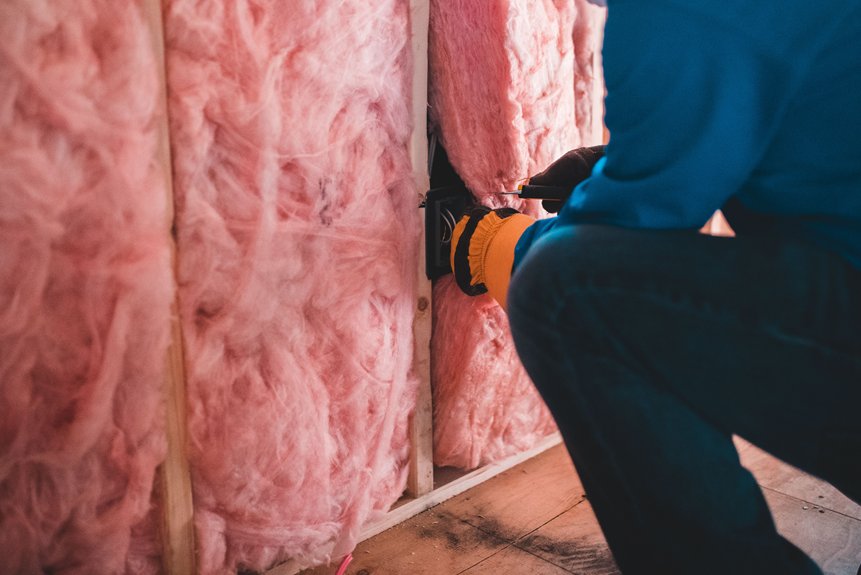
Understanding effective installation techniques is key. Proper application ensures that your insulation performs as expected, maximizing its benefits and reducing additional costs.
Working with experienced contractors who know these techniques can help you avoid pitfalls and ensure that your investment pays off.
Remember, making informed choices about insulation thickness not only impacts your immediate costs but also shapes the long-term efficiency of your construction project.
After all, we all want our investments to thrive.
The Impact of Insulation Thickness on Energy Efficiency and Savings
Although you mightn’t realize it at first, insulation thickness has a significant impact on energy efficiency and your overall savings. A thicker insulation layer improves thermal performance, helping to keep your space warm in winter and cool in summer. This means your heating and cooling systems won’t have to work as hard, ultimately leading to lower energy bills.
When you get an energy audit, professionals assess your insulation’s effectiveness, and they often recommend thicker options for better efficiency. By investing in thicker insulation, you’re not just choosing comfort; you’re also making a financially smart decision.
In communities where everyone shares tips on saving energy, becoming a part of the movement that prioritizes energy-efficient homes can deepen your connection with others who value sustainability.
Ultimately, the right insulation thickness can provide significant savings, making your home more comfortable and your wallet happier. Don’t underestimate the power of proper insulation!
Impacts of Upcoming Regulations on Insulation Costs
As energy efficiency becomes a priority for homeowners and regulators alike, upcoming regulations are likely to affect insulation costs significantly. You’ll want to stay ahead of these regulatory changes, as they’ll influence both material availability and pricing structures.
With authorities pushing for stricter insulation standards, it’s essential to consider how these shifts may alter your project’s cost projections. For instance, if rules mandate higher insulation thickness or better materials, you could face increased expenses upfront.
However, these regulations often lead to long-term savings on energy bills. By factoring these potential changes into your planning, you can make informed decisions that not only meet regulations but also improve comfort and sustainability in your home.
Being part of a community that values energy efficiency can make these transitions smoother and more beneficial for everyone involved. Remember, staying informed today means a more sustainable tomorrow.
Material Cost Comparisons for Insulation Thickness
When considering insulation thickness, it’s vital to compare different material types and their costs. Each material has its own price point, which can significantly impact your overall budget depending on the thickness you choose.
Let’s break down the cost analysis for various insulation materials so you can make an informed decision.
Material Types Overview
Understanding the different types of insulation materials can significantly affect your project costs. Each type comes with its own price, performance, and thickness standards, impacting how you budget for insulation in your building projects.
For instance, fiberglass is often more affordable but may not meet higher R-value requirements like spray foam does. Meanwhile, mineral wool offers great fire resistance but can be pricier.
The thickness of the insulation you choose also plays a crucial role—thicker materials tend to provide better energy efficiency, but they may stretch your budget.
Cost Analysis Per Thickness
Choosing insulation thickness can significantly influence your overall material costs, especially as different materials have varying price points and performance characteristics. To achieve thickness optimization, you’ll want to balance budget constraints with insulation performance.
| Insulation Thickness | Material Cost (per sq ft) |
|---|---|
| 2 inches | $0.75 |
| 4 inches | $1.25 |
| 6 inches | $1.75 |
| 8 inches | $2.25 |
As you assess options, consider how each thickness improves energy efficiency and comfort. By being informed, you can foster an inviting atmosphere in your home while keeping costs manageable. Your choices matter, and by collaborating with experts, you can ensure you get the best value for your investment.
How to Pick the Best Insulation Thickness for Your Project
How do you determine the ideal insulation thickness for your project? Start by reviewing local building codes and insulation standards, as they provide essential thickness guidelines.
Consider the material choices available, ensuring they align with your project specifications. Climate considerations play a crucial role; colder regions typically require thicker insulation to improve energy efficiency.
Next, evaluate the installation techniques you’ll be using, as they can affect performance metrics. A well-installed thicker layer often yields better results.
Don’t forget to factor in cost forecasting; thicker insulation might’ve a higher upfront cost, but it can lead to long-term savings.
Finally, keep sustainability factors in mind, as choosing the right thickness can contribute to a greener project. You’re part of a community making responsible choices, so weigh these elements carefully to find the best insulation thickness for a successful project outcome.
Long-Term Financial Benefits of Proper Insulation Thickness
When you choose the right insulation thickness, you’re not just improving comfort; you’re also making a smart financial decision.
Proper insulation can lead to significant energy cost savings, boost your property’s value, and lower maintenance expenses over time.
Energy Cost Savings
Proper insulation thickness can lead to significant energy cost savings over time. By choosing the right thickness, you’ll reduce energy loss and lower your heating and cooling expenses, making your home more comfortable.
With rising energy prices, it makes sense to invest in quality insulation that pairs well with renewable technologies. You can expect cost estimates to reflect the long-term savings that proper insulation offers.
Remember, thicker insulation often means higher initial costs, but the benefits compound over the years as your energy bills shrink. This adjustment not only helps your wallet but also supports a community committed to sustainability.
Enhanced Property Value
Investing in the right insulation thickness not only boosts energy efficiency but can also significantly increase your property value. A well-insulated home attracts buyers, improving its market demand.
When potential homeowners see a property with superior insulation, they associate it with comfort, energy savings, and lower utility bills, all of which raise its perceived worth.
Proper insulation improves property aesthetics, too. It helps maintain a consistent climate, making living spaces more pleasant and inviting.
Plus, it can prevent issues like moisture buildup, which can detract from your home’s appeal. In a competitive market, these factors can set your property apart, leading to better offers and ensuring you get the best return on your investment.
Reduced Maintenance Expenses
A well-thought-out insulation thickness can lead to significant reductions in maintenance expenses over time. By improving insulation longevity, you’ll avoid frequent repair bills and costly maintenance practices. Having the right thickness means your home stays comfortable, reducing wear and tear on heating and cooling systems.
Here’s a quick comparison of how insulation thickness impacts maintenance costs:
| Insulation Thickness | Expected Longevity | Maintenance Frequency | Cost Impact |
|---|---|---|---|
| 3 inches | 10-15 years | High | High |
| 6 inches | 20-30 years | Low | Low |
| 8 inches | 30+ years | Minimal | Very Low |
| 10 inches | 30+ years | Minimal | Very Low |
Investing in proper insulation thickness creates a lasting, caring environment for you and your family.
Conclusion
In summary, selecting the appropriate insulation thickness is crucial for achieving a balance between initial expenditures and long-term savings. As regulations become more stringent and energy efficiency takes precedence, opting for thicker insulation can lead to substantial reductions in utility expenses while enhancing comfort levels within your home.
By evaluating materials such as fibreglass and spray foam, you can make well-informed decisions that correspond with your financial considerations and regulatory requirements.
Bear in mind that investing in high-quality insulation now will yield benefits through energy savings and improved home performance in the future. Your choice today can greatly contribute to a more sustainable and comfortable living environment.